.png)
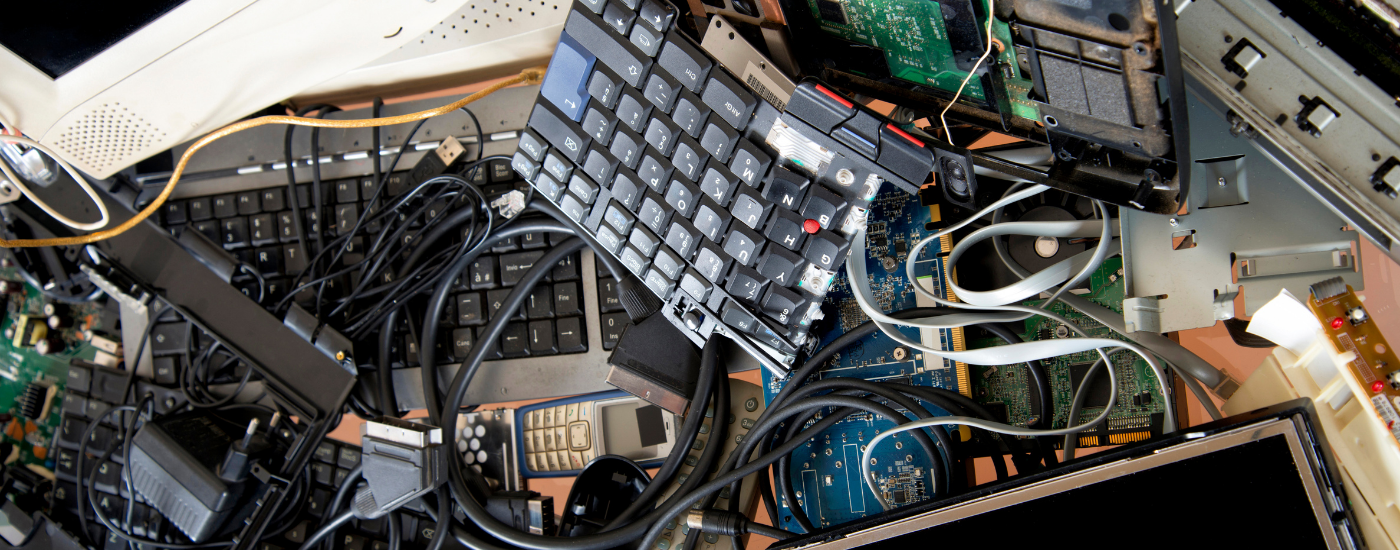
Businesses across Ohio regularly retire computers, monitors, servers, printers, networking equipment, and other electronics. Choosing what happens to that equipment next is not simply a recycling decision. Businesses also need to consider stored data, documentation, logistics, security, and how equipment will be handled after it leaves the facility.
If you are comparing the best electronics recycling companies in Ohio, look beyond whether a provider accepts old electronics. The right company should fit the equipment you are retiring, the sensitivity of the information stored on it, the scale of the project, and the documentation your organization requires.
Black Ops Destruction provides electronics recycling throughout Ohio and the Midwest, along with related services such as document shredding, hard drive destruction, product destruction, commercial cleanouts, and facility decommissioning.
This guide compares several electronics recycling providers serving Ohio and explains what businesses should evaluate before choosing one.
Best Electronics Recycling Companies in Ohio at a Glance
Different providers are suited to different types of projects.
Black Ops Destruction is a strong regional option for Ohio and Midwest organizations that need electronics recycling combined with secure destruction, equipment removal, office decommissioning, or commercial cleanout services.
National and specialized IT asset disposition providers may be a better fit for organizations managing large multi-state programs, equipment remarketing, or broader enterprise technology lifecycle services.
The best fit depends on what you need removed, whether the equipment contains sensitive data, how many locations are involved, and what should happen to the equipment after collection.
How We Evaluated Electronics Recycling Companies
A business replacing ten office computers has different needs from an organization clearing a data center or retiring equipment across multiple facilities.
Rather than comparing providers based only on size or name recognition, this guide considers factors that matter during real electronics retirement projects:
- Electronics and equipment accepted
- Hard drive and media destruction capabilities
- Data sanitization options where applicable
- Chain-of-custody procedures
- Asset and serial-number tracking
- Documentation
- Electronics recycling capabilities
- Service area
- Multi-location support
- Equipment removal and logistics
- IT asset disposition capabilities
- Related destruction and decommissioning services
Service availability can vary by market and project, so businesses should confirm current capabilities directly with each provider.
What Is Electronics Recycling?
Electronics recycling is the collection and processing of unwanted or end-of-life electronic equipment so usable materials can be recovered and handled through appropriate recycling channels instead of simply being discarded.
Common business electronics include:
- Desktop computers
- Laptops
- Monitors
- Servers
- Printers and copiers
- Keyboards and mice
- Routers and switches
- Phones and tablets
- Hard drives and SSDs
- Backup equipment
- Power supplies
- Cables and chargers
- Other office and IT equipment
Not every recycler accepts every type of device. Businesses should confirm accepted equipment before scheduling a pickup or cleanout.
Electronics recycling also should not be confused with data destruction. A computer can be recycled while information remains stored on its hard drive or SSD. Organizations need a separate plan for sensitive data.
Best Electronics Recycling Companies Serving Ohio
1. Black Ops Destruction
Best for: Ohio and Midwest organizations that need electronics recycling combined with secure destruction, equipment removal, cleanouts, or decommissioning.
Black Ops Destruction is an Ohio-based secure destruction and material management company serving organizations throughout Ohio and parts of the Midwest.
Its biggest advantage for electronics projects is the ability to handle multiple material streams during the same project. A technology refresh, office relocation, warehouse cleanout, or facility closure may involve much more than computers.
A project could include:
- Computers and monitors
- Servers and networking equipment
- Hard drives and SSDs
- Confidential paper records
- Branded products
- Obsolete equipment
- General office or facility materials
Black Ops can coordinate electronics recycling with hard drive destruction, document shredding, product destruction, office decommissioning, and commercial cleanout services when those services are relevant to the project.
Data-Bearing Equipment
Computers, servers, laptops, and other electronics may contain hard drives, SSDs, or other storage media holding confidential information.
Black Ops provides hard drive and media destruction so organizations can address sensitive data before remaining electronic materials move into the recycling stream.
This can be particularly useful for businesses that do not want to coordinate one vendor for equipment removal, another for hard drives, and another for confidential records.
Who May Benefit Most
Black Ops may be a strong fit for:
- Corporate offices
- Healthcare organizations
- Financial institutions
- Law firms
- Schools and educational institutions
- Government organizations
- Manufacturers
- Businesses completing IT refreshes
- Organizations closing or relocating facilities
- Companies managing multiple sensitive material streams
For Ohio organizations, the regional service model can also be useful when projects require coordination between IT, facilities, records, and operations teams.
2. Iron Mountain
Best for: Large enterprises seeking IT asset disposition alongside broader information-management services.
Iron Mountain is widely known for records and information management and also provides IT asset lifecycle and disposition services.
Its technology services may appeal to businesses already using Iron Mountain or organizations managing substantial inventories across multiple locations.
Organizations considering Iron Mountain should compare the specific services available for their equipment, including:
- IT asset disposition
- Data sanitization or destruction
- Equipment tracking
- Recycling
- Reporting
- Multi-location support
Its scale can be particularly relevant for enterprise organizations managing technology assets across a broad geographic footprint.
3. ERI
Best for: Organizations seeking a provider focused heavily on electronics recycling and IT asset disposition.
ERI specializes in electronics recycling, hardware destruction, and technology asset disposition.
Businesses with large quantities of retired electronics may consider a specialized provider when they need structured processes for equipment collection, processing, data security, and reporting.
When comparing ERI with other providers, evaluate:
- Local service coverage
- Equipment accepted
- Pickup logistics
- Data destruction options
- Asset reporting
- Documentation
- Multi-location capabilities
The best choice depends on whether your priority is straightforward recycling or a broader IT asset disposition program.
4. R2 Recycling
Best for: Organizations evaluating electronics recycling alongside broader IT asset disposition services.
R2 Recycling provides electronics recycling and IT asset disposition services for businesses and organizations.
Providers in this category may offer more than basic equipment recycling, including data destruction, equipment processing, inventory reporting, and asset disposition services.
Businesses should determine whether retired equipment:
- Contains sensitive information
- Has remaining resale or reuse value
- Requires physical destruction
- Requires asset tracking
- Has reached the end of its usable life
Those factors can influence which services are appropriate.
5. Cohen Recycling
Best for: Businesses seeking a regional recycling provider for electronics and other recyclable materials.
Cohen is a regional recycling company serving Ohio and surrounding markets.
Its broader recycling capabilities may make it relevant for businesses managing electronics alongside other recyclable materials.
Organizations with confidential information stored on retired electronics should separately evaluate:
- How data-bearing equipment is handled
- Whether hard drive destruction is available
- What chain-of-custody procedures apply
- What documentation is provided
Recycling and secure data destruction solve different problems, so both should be addressed when equipment contains sensitive information.
How to Compare Electronics Recycling Companies in Ohio
Price matters, but it should not be the only comparison point.
A low recycling quote is less useful if the provider cannot securely handle storage media, remove equipment from your facility, document the project, or support the volume you need to retire.
What Electronics Does the Provider Accept?
Start with the actual equipment you need removed.
Ask about:
- Computers
- Laptops
- Servers
- Monitors
- Printers and copiers
- Networking equipment
- Phones and tablets
- Hard drives
- SSDs
- Batteries
- Cables and peripherals
Do not assume every recycler accepts every item.
A written inventory can make this conversation much easier, particularly for larger projects.
How Does the Provider Handle Stored Data?
This is one of the most important questions for business electronics.
An outdated computer may have little equipment value while still containing employee records, customer information, financial data, intellectual property, or other sensitive information.
Before equipment leaves your control, determine:
- Which devices contain storage media?
- Will hard drives or SSDs be physically destroyed?
- Is verified sanitization available for reusable equipment?
- How is equipment controlled during transport?
- How is destruction documented?
- Can individual assets be tracked when required?
The correct process depends on whether the equipment will be destroyed, recycled, reused, donated, resold, or redeployed.
Organizations developing their own media disposal procedures can also reference the NIST Guidelines for Media Sanitization, which address sanitization and disposal based on the sensitivity of the information involved.
Electronics Recycling vs. Hard Drive Destruction
Electronics recycling and hard drive destruction are related, but they are not the same service.
Electronics recycling focuses on processing equipment and recovering recyclable materials.
Hard drive destruction focuses on making information stored on data-bearing media inaccessible through physical destruction.
Organizations retiring end-of-life equipment may choose to destroy storage media before recycling the remaining electronic components.
Data-bearing devices can include:
- Hard disk drives
- SSDs
- Server drives
- External drives
- Backup media
- Other electronic storage devices
If equipment will be reused or redeployed, an appropriate sanitization process may be more suitable than physical destruction.
What Chain of Custody Does the Provider Use?
Sensitive equipment should remain controlled from collection through final processing.
Depending on the project, a documented chain of custody may include:
- Controlled collection
- Documented transfer
- Secure transportation
- Controlled facility handling
- Data destruction
- Asset tracking
- Destruction documentation
Ask the provider to explain what happens after equipment leaves your building rather than relying on general claims about security.
What Documentation Will You Receive?
The right documentation depends on your internal policies and the type of project.
Businesses may need:
- Service records
- Equipment counts
- Asset inventories
- Serial-number reports
- Recycling documentation
- Certificates of Destruction
- Chain-of-custody records
Determine those requirements before the project begins. It is much easier to request the appropriate reporting in advance than to reconstruct it afterward.
What Happens to Electronics After Collection?
A professional provider should be able to explain its process clearly.
Useful questions include:
- Where is equipment processed?
- How are reusable and recyclable materials separated?
- How are batteries handled?
- What happens to storage media?
- Are downstream processors used?
- What documentation is available?
- How is equipment that cannot be reused handled?
Avoid assuming that the word "recycling" explains the entire downstream process.
For businesses and other large purchasers, the EPA recommends using certified electronics recyclers and identifies R2 and e-Stewards as the two accredited certification standards in the United States.
Can the Provider Handle the Logistics?
Electronics recycling can range from removing a few computers to clearing equipment from an entire building.
Larger projects may involve:
- Multiple facilities
- Server rooms
- Equipment racks
- Elevators
- Loading docks
- Palletized equipment
- Transportation
- Asset inventories
- Tight move-out schedules
- Coordination with IT and facilities teams
A provider that handles small pickups effectively may not necessarily be the right company for a large decommissioning project.
Ask how the provider would approach your specific site and equipment.
Electronics Recycling During Office Cleanouts and Decommissioning
Electronics recycling often becomes part of a larger facility project.
An office closure or relocation may uncover:
- Computers
- Monitors
- Servers
- Network equipment
- Hard drives
- Printers
- Confidential records
- Branded materials
- Obsolete products
- Furniture
- Storage-room contents
This is where coordinating related services can make a meaningful operational difference.
Instead of arranging separate pickups for electronics, confidential documents, hard drives, and other materials, businesses may be able to coordinate several workstreams during the same project.
Black Ops Destruction is particularly relevant in these situations because its services extend beyond electronics recycling into secure destruction, commercial cleanouts, and decommissioning.
How Much Does Business Electronics Recycling Cost?
Commercial electronics recycling does not have one universal price.
Cost can depend on:
- Type of equipment
- Equipment quantity
- Condition
- Pickup location
- Number of facilities
- Transportation requirements
- Building access
- Labor requirements
- Data destruction
- Asset tracking
- Documentation
- Scheduling
- Additional removal or cleanout services
Some electronics may have recoverable value, while others may require additional processing or specialized handling.
For an accurate quote, provide the recycler with as much information as possible, including equipment types, approximate quantities, location details, and any data-destruction or reporting requirements.
Questions to Ask Before Choosing an Electronics Recycler
Before selecting a provider, ask:
- What types of electronics do you accept?
- Do you provide pickup at our facility?
- How do you handle equipment containing sensitive information?
- Can you destroy hard drives and SSDs?
- What chain-of-custody procedures do you use?
- What documentation will we receive?
- Can you provide asset or serial-number tracking when required?
- Where is equipment processed after collection?
- How are batteries and specialized components handled?
- Can you support multiple business locations?
- Can you assist with equipment removal or office decommissioning?
- What information do you need to provide an accurate quote?
A useful provider comparison should answer these questions clearly rather than relying only on price or brand recognition.
Common Red Flags When Comparing Electronics Recycling Companies
Be cautious when a provider cannot clearly explain what happens to your equipment after pickup.
Other warning signs include:
- Vague answers about hard drives and stored data
- No clear distinction between recycling and data destruction
- Limited information about chain of custody
- Unclear documentation
- No explanation of battery or specialized component handling
- No process for larger or multi-location projects
- A quote provided without understanding what equipment is involved
Businesses should know what will happen to both the physical equipment and the information stored on it.
Choosing the Right Electronics Recycling Company in Ohio
The best electronics recycling company for one organization may not be the right choice for another.
A company retiring a few office computers may prioritize convenient pickup and responsible recycling. A healthcare system, financial institution, manufacturer, or multi-location business may also need hard drive destruction, asset tracking, documentation, equipment removal, or facility decommissioning.
Compare providers based on the complete project, not simply the recycling rate.
For organizations throughout Ohio and the Midwest, Black Ops Destruction can coordinate electronics recycling with secure hard drive destruction, document shredding, product destruction, office decommissioning, and commercial cleanouts when those services are needed.
A well-planned electronics retirement project should account for both the equipment and the information it contains before anything leaves the facility.
Call: 330-888-5410
Email: mmarzullo@blackopsdestruction.com
Contact: Request a Quote
.png)