.png)
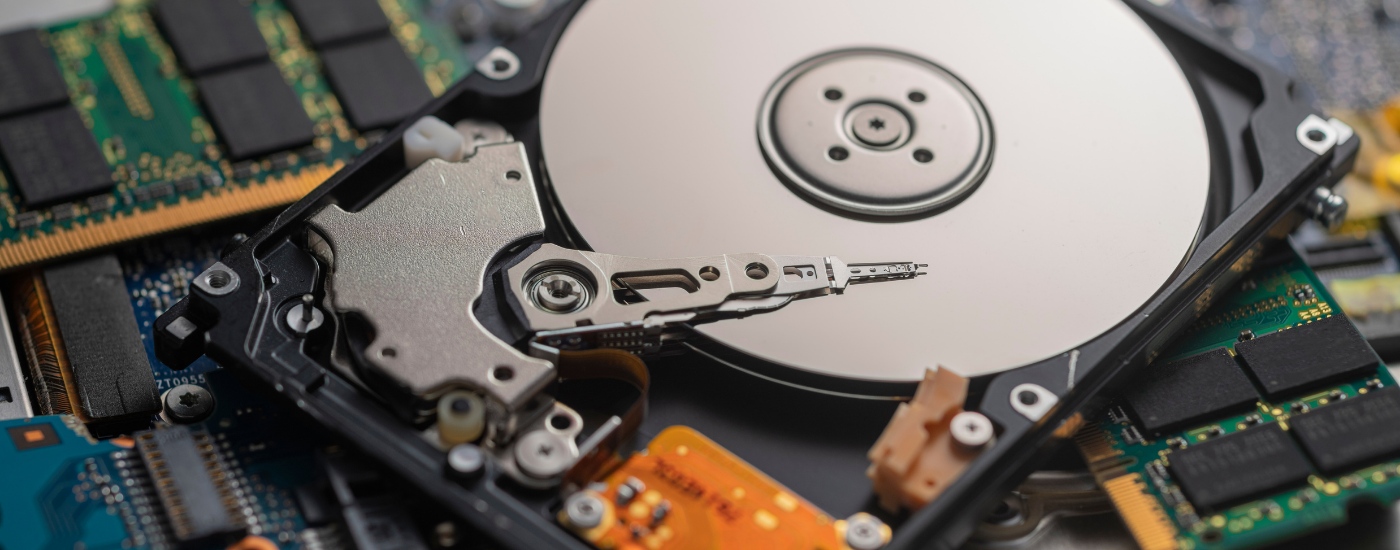
Hard drives are one of the most overlooked security risks in any organization. They hold years of customer data, employee records, financial information, passwords, contracts, and internal communications. When that equipment is retired, replaced, or sent off-site, the risk isn’t theoretical. It’s operational. One misplaced drive or poorly handled disposal can create a breach, a compliance violation, or a reputation hit that lasts for years.
At Black Ops Destruction, we take that risk personally. We’re a veteran-led, service-disabled veteran-owned small business built around discipline, accountability, and secure execution. If you’re trusting someone to destroy your data, you deserve to know exactly how the process works.
What Hard Drive Destruction Actually Means
Hard drive destruction is the controlled, documented process of permanently eliminating data stored on hard drives, SSDs, servers, and other digital storage devices. The goal is simple: ensure the information cannot be recovered by any means.
That’s different from wiping, formatting, or deleting files. Those methods can leave recoverable data behind. True destruction makes recovery impossible and removes uncertainty from your security plan.
This is why hard drive destruction is used by organizations that must meet strict privacy and security requirements, including those governed by HIPAA, FACTA, GLBA, and SOX.
Why “Deleting” Isn’t Enough
Many businesses assume they’re safe because files were deleted or a drive was factory reset. Unfortunately, data doesn’t disappear that easily.
Even after deletion, sensitive information can remain in the drive’s storage until it is overwritten. And in many cases, overwritten data can still be partially recovered using forensic tools. That’s a major issue for:
- Healthcare providers and clinics managing patient records (HIPAA)
- Financial services and lenders protecting consumer data (GLBA)
- Employers storing payroll and HR files
- Companies with contracts, client records, and internal documents
- Individuals with personal data on home computers
Hard drive destruction removes that risk completely, which is why it’s the standard for organizations that take compliance seriously.
Mobile vs. Facility-Based Hard Drive Destruction
Black Ops Destruction is available for both mobile and facility-based destruction, depending on what your organization needs.
Mobile destruction (on-site)
We bring the destruction equipment to your location. This option is ideal when you want maximum control and visibility, especially for high-risk environments like healthcare offices, legal firms, or finance departments.
Facility-based destruction
For some clients, secure pickup and transport to our destruction facility is the most efficient option. This works well for bulk drives, storage cleanouts, or multi-location asset retirement.
We’re serving clients across the Midwest and providing secure destruction services in Ohio, Indiana, Michigan, and Kentucky with consistent standards, whether we’re on-site in Cleveland or handling scheduled destruction for clients in Columbus, Detroit, Indianapolis, or Louisville.
Step-by-Step: How the Hard Drive Destruction Process Works
Here’s what secure, compliance-ready hard drive destruction looks like when it’s done correctly.
1) Secure collection and documented chain of custody
The process begins with controlled collection. Drives are counted, identified, and handled by trained personnel.
At Black Ops Destruction, we use operational safeguards that include employee background checks and GPS-tracked vehicles. That chain of custody matters, because your security exposure starts the moment devices leave your control.
2) Locked transport and secure handling
When destruction is facility-based, devices are transported using secure procedures. That means no casual hauling, no unsecured storage, and no uncertainty about where equipment went or who had access.
Our secure facilities with video monitoring are designed to protect sensitive materials from the moment they arrive.
3) Physical destruction of the drive
Hard drive destruction is physical, not digital. The most common methods include:
- Shredding: Drives are reduced into small fragments using industrial shredders
- Crushing or punching: Drives are mechanically crushed to destroy internal components
- Degaussing (in some cases): Magnetic fields are used to disrupt data on certain types of drives (not always effective for SSDs)
In most modern environments, shredding is the preferred method because it is fast, reliable, and eliminates the possibility of recovery. When clients ask us how hard drive destruction works, this is the part that provides certainty: once it’s shredded, it’s done.
4) Certificates of Destruction
Once destruction is complete, clients receive Certificates of Destruction. This is not just paperwork. It’s proof for internal audits, regulatory compliance, and risk management.
For organizations subject to HIPAA, GLBA, FACTA, or SOX, documentation isn’t optional. It’s part of doing business responsibly.
Why NAID AAA Certification Matters
Anyone can claim they “destroy drives.” The difference is whether they can prove their processes meet real security standards.
Black Ops Destruction maintains NAID AAA Certification, which is one of the most respected certifications in the destruction industry. It’s designed to verify that destruction providers follow strict requirements for:
- Secure handling and transport
- Controlled access and employee screening
- Operational accountability
- Documented destruction procedures
For decision-makers, NAID AAA Certification helps separate compliant partners from companies that are simply hauling equipment away and hoping for the best.
How Destruction Fits Into a Complete Security Program
Hard drive destruction is often part of a broader destruction strategy, especially for organizations with multiple types of sensitive waste.
Black Ops Destruction also provides:
- Document shredding
- Product destruction
- Electronics recycling
- Medical waste disposal
- Residential shredding
Many clients bundle services to cover both paper and digital risk, which is smart. A secure IT cleanup doesn’t mean much if confidential paperwork is still being thrown out with standard trash.
Responsible Disposal: Security and Sustainability Can Work Together
Security comes first. But responsible disposal matters too.
We protect sensitive information while supporting responsible disposal practices, including recycling shredded paper and properly handling electronics. Electronic components require careful processing to avoid environmental harm and ensure materials are handled correctly.
Secure destruction and responsible recycling are not competing goals. When done correctly, they work together.
Why Choose Black Ops Destruction?
Choosing a destruction provider is a trust decision. You’re not just hiring a vendor. You’re selecting who will handle the most sensitive materials your organization has.
Here’s what sets Black Ops Destruction apart:
- Proven track record with over 30 years of destruction expertise backed by real operational experience
- Veteran-owned leadership built on discipline, security, and accountability
- NAID AAA Certification with compliance-driven procedures and documentation
- Midwest coverage with consistent standards across Ohio, Michigan, Indiana, and Kentucky
- Flexible mobile and facility-based destruction options for different risk levels and operational needs
- No-compromise security supported by employee background checks and GPS-tracked vehicles
- Full documentation and chain-of-custody assurance including Certificates of Destruction
When clients ask us how hard drive destruction works, we don’t give vague answers. We walk them through the process, show them the safeguards, and deliver documented proof at the end.
Hard drive destruction isn’t just a technical detail. It’s a frontline security decision. Whether you’re protecting medical records, financial information, HR files, or client data, the wrong disposal method can create major exposure under HIPAA, FACTA, GLBA, or SOX. The right destruction partner eliminates that risk with proven procedures, documented chain of custody, and secure execution from start to finish.
At Black Ops Destruction, we bring veteran-led leadership, NAID AAA Certification, and Midwest coverage built for organizations that need real accountability. If you’re ready to retire drives safely, protect your business, and document compliance the right way, we’re ready to help.
Call: 330-888-5410 • Email: mmarzullo@blackopsdestruction.com • Contact: Request a Quote
.png)