Product destruction cost depends on the type of products being destroyed, the quantity of inventory, transportation requirements, destruction methods, and documentation needs. There is no universal price per pallet, pound, or truckload because every destruction project involves different materials, handling requirements, and security considerations.
For businesses managing recalled products, defective merchandise, expired inventory, or outdated branded goods, understanding these factors is essential to budgeting accurately and avoiding unexpected charges.
Black Ops Destruction provides secure product destruction services for businesses throughout Ohio and the Midwest, including Cleveland, Columbus, Akron, Cincinnati, Dayton, and Toledo. Whether your company needs to dispose of several pallets of unsellable merchandise or coordinate a larger inventory destruction project, knowing what affects pricing can help you make informed decisions.
How Much Does Product Destruction Cost on Average?
The average cost of product destruction varies significantly depending on the project. Most professional destruction providers calculate pricing using the characteristics of the inventory and the services required to securely process it.
Common pricing structures include:
- Per-pound pricing: Often used when products can be weighed and processed in bulk.
- Per-pallet pricing: May be appropriate for packaged inventory stored on standard shipping pallets.
- Per-truckload pricing: Sometimes used for large quantities of merchandise or warehouse inventory.
- Flat project pricing: May apply to one-time destruction projects involving a defined quantity of goods.
- Recurring service pricing: May be available for businesses requiring regular product destruction.
These are common industry pricing models, not guaranteed pricing options for every provider or project.
A small shipment of packaged consumer goods may require different equipment, labor, and transportation than a full warehouse of recalled merchandise. Likewise, products requiring specialized handling can cost substantially more to process than ordinary, nonhazardous retail inventory.
The most accurate way to determine product destruction cost is to request a quote based on your specific inventory, location, and security requirements.
What Factors Affect Product Destruction Pricing?
Several variables influence how much a business pays for professional product destruction. Understanding these cost drivers can help organizations prepare their inventory and evaluate quotes more effectively.
1. Product Type and Material Composition
The type of merchandise being destroyed is one of the most important pricing considerations.
Different products may require different destruction equipment, handling procedures, or downstream disposal arrangements.
Examples include:
- Consumer goods: Unsellable household products, retail merchandise, and general inventory.
- Branded products: Merchandise displaying company logos, trademarks, or identifying information.
- Defective products: Items that cannot safely or reliably be sold or redistributed.
- Recalled products: Goods removed from circulation because of safety, quality, or regulatory concerns.
- Textiles and apparel: Clothing, uniforms, promotional merchandise, and other fabric-based products.
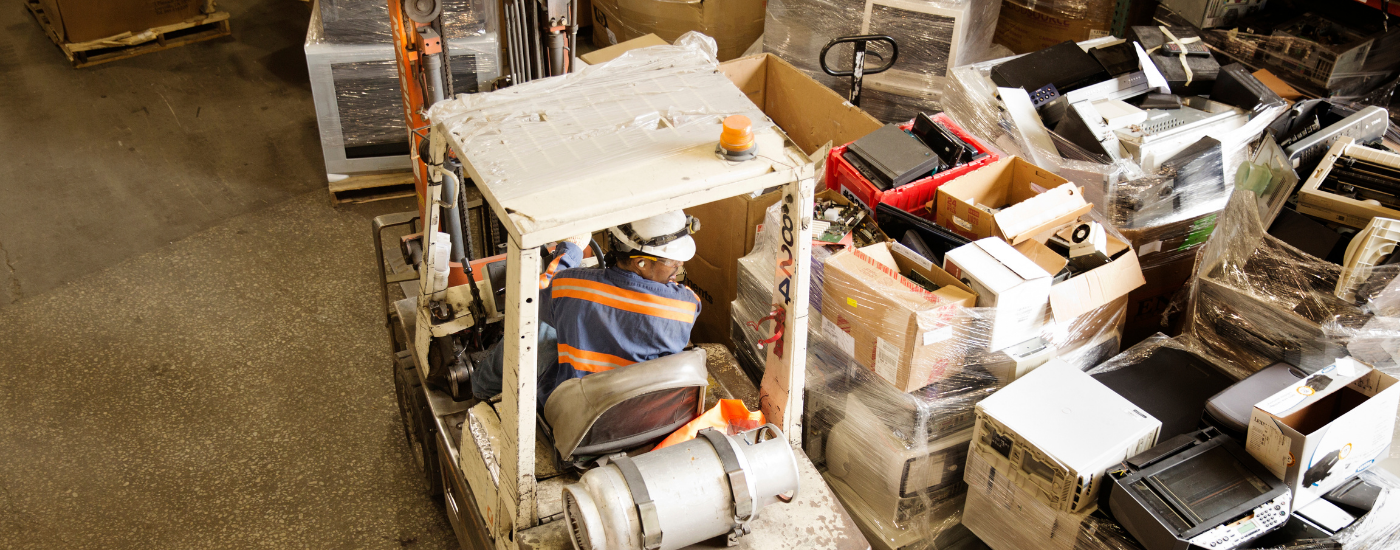
- Electronics: Products containing batteries, circuit boards, electronic components, or potentially sensitive information.
- Specialized materials: Products containing chemicals, liquids, or other substances that may require additional evaluation.
Businesses disposing of electronic merchandise should also evaluate whether electronics recycling is appropriate for their materials. Electronic components, batteries, and other specialized materials may require separate handling that influences overall processing costs.
Some materials may be unsuitable for standard destruction processes and require specialized handling or a different service provider.
Businesses should accurately identify product composition and disclose potential hazards before scheduling destruction.
Businesses handling potentially hazardous products should review the U.S. Environmental Protection Agency's hazardous waste guidance to better understand waste identification and generator responsibilities. Properly identifying regulated materials before requesting destruction services can help avoid inappropriate processing methods and unexpected handling requirements.
2. Quantity, Weight, and Volume
The amount of inventory being destroyed directly affects project costs.
Providers may evaluate:
- Total product weight
- Number of pallets or containers
- Estimated cubic footage
- Number of individual items
- Material density
- Amount of packaging
- Equipment and labor requirements
Larger destruction projects may benefit from more efficient transportation and processing, potentially reducing the cost per item.
However, higher volumes can still increase the overall project price because they require additional handling, transportation, and processing capacity.
For example, destroying 20 pallets of lightweight clothing is not necessarily equivalent to destroying 20 pallets of dense metal products.
Product weight, dimensions, and composition can be just as important as pallet count.
3. Destruction Method and Equipment
Not every product can be destroyed using the same process.
Depending on the material and project requirements, destruction methods may involve:
- Industrial shredding
- Crushing or mechanical destruction
- Dismantling or separation of components
- Specialized processing
- Controlled disposal through an appropriate downstream facility
The objective is to render products unusable or otherwise meet the destruction requirements established for the project.
Some materials require additional processing before or after destruction. Products containing batteries, hazardous components, or regulated substances may also need specialized handling.
The equipment, processing time, and downstream arrangements required can all influence pricing.
Businesses should ask their destruction provider which method will be used and whether it meets their security and material-handling needs.
4. Pickup Location and Transportation
Transportation is another major factor in product destruction cost.
A business located near a processing facility may have different transportation expenses than one requiring pickup from a distant warehouse.
Pricing considerations may include:
- Distance between the pickup location and processing facility
- Number of pickup locations
- Quantity of inventory at each location
- Vehicle size and loading requirements
- Availability of loading docks
- Whether materials are palletized or loose
- Special scheduling or access restrictions
A business with inventory spread across several locations may need a coordinated collection plan.
For example, a company managing outdated merchandise in Cleveland, Columbus, and Cincinnati may have different transportation requirements than a business consolidating all its inventory at one Northeast Ohio warehouse.
Coordinating shipments can sometimes improve efficiency, although the most economical approach depends on the project.
5. Sorting, Packaging, and Preparation
The condition and organization of inventory can affect the labor required before destruction.
Products that are already sorted, labeled, and palletized may be easier to collect and process than loose merchandise stored throughout a facility.
Additional labor may be necessary when products require:
- Sorting by material type
- Removal from retail displays
- Separation from packaging
- Consolidation into containers
- Palletizing or shrink-wrapping
- Inventory counting or reconciliation
- Identification of materials requiring specialized handling
Mixed loads can be especially challenging when products have different destruction or disposal requirements.
Providing an accurate inventory list and preparing materials before collection may help reduce avoidable handling expenses.
6. Security Requirements and Chain of Custody
For many organizations, product destruction involves more than simply removing unwanted inventory.
Businesses may need to protect proprietary products, prevent unauthorized resale, or demonstrate that recalled merchandise was removed from circulation.
Additional security requirements can influence project planning and cost.
Depending on the project, these may include:
- Controlled collection and transportation
- Restricted access to inventory
- Tracking of products during handling
- Documented chain-of-custody procedures
- Witnessed destruction
- Photographic or video evidence
- Itemized destruction records
Not every project requires the same level of documentation.
A business destroying ordinary unsellable merchandise may have different needs than a manufacturer disposing of sensitive prototypes or products subject to a recall.
Black Ops Destruction provides secure destruction services supported by established handling procedures and Certificates of Destruction.
Businesses should discuss their documentation requirements when requesting a quote so the proposed service reflects their needs.
7. Recycling and Final Material Disposal
Product destruction does not always mean every resulting material must go to a landfill.
Depending on the products and available processing options, certain materials may qualify for recycling or recovery after destruction.
However, recycling feasibility varies based on:
- Material composition
- Contamination
- Mixed-material construction
- Packaging
- Separation requirements
- Availability of recycling facilities
- Applicable environmental regulations
According to the EPA's sustainable materials management hierarchy, reducing waste, reusing materials, and recycling are generally preferred over disposal when appropriate. However, products requiring secure destruction must also meet applicable safety, security, and handling requirements before any material recovery is considered.
For businesses managing uniforms, branded clothing, or outdated promotional apparel, textile destruction and recycling may provide an appropriate solution. Material composition, volume, and security requirements help determine the destruction process and potential recovery options.
For example, some textile materials may have recovery options, while products containing multiple bonded materials can be more difficult to process.
Recycling may involve additional sorting or separation costs. In other situations, material recovery may help offset certain disposal expenses.
Businesses should confirm how destroyed materials will be handled rather than assuming that all products can be recycled.
8. Project Timeline and Scheduling
Scheduling requirements can also affect pricing.
A routine destruction project planned several weeks in advance may be easier to coordinate than an urgent request involving a large quantity of recalled products.
Time-sensitive projects may require:
- Accelerated pickup arrangements
- Additional transportation coordination
- Priority processing
- Extended labor availability
- Special documentation deadlines
Not every provider offers expedited service, and availability depends on the project.
Planning ahead can help businesses avoid unnecessary scheduling complications and better manage destruction expenses.
Product Destruction Cost Breakdown: What Should a Quote Include?
A professional product destruction quote should clearly explain the services being provided and identify any charges that may affect the final price.
When comparing providers, businesses should review the following cost categories.
Cost Component
What It Covers
Transportation
Pickup, vehicle requirements, distance, and delivery to the processing facility
Material handling
Loading, unloading, sorting, packaging, and preparation
Destruction processing
Equipment, labor, and the method used to destroy products
Documentation
Certificates of Destruction and any requested supporting records
Downstream disposal
Recycling, material recovery, or appropriate disposal of destroyed materials
Additional services
Special handling, multiple pickups, expedited scheduling, or enhanced verification
Not every provider includes the same services in its initial quote.
Before approving a project, ask whether the quoted price includes transportation, destruction, final material handling, and documentation.
Also confirm whether minimum service charges, fuel surcharges, waiting-time fees, or other additional expenses may apply.
A detailed quote makes it easier to compare providers based on the actual services delivered rather than the initial price alone.
Is Product Destruction Cheaper Than Landfill Disposal?
Ordinary landfill disposal may appear less expensive than professional product destruction, but the services accomplish different objectives.
Landfill disposal is generally intended to manage waste. It does not necessarily make products unusable, eliminate identifying information, or prevent unauthorized recovery.
Professional product destruction is designed to address those concerns by physically destroying merchandise through an appropriate process.
For businesses disposing of branded, defective, recalled, or sensitive products, the distinction matters.
Potential risks associated with inadequate disposal include:
- Unauthorized resale of discarded merchandise
- Continued circulation of recalled products
- Misuse of branded inventory
- Exposure of proprietary designs or information
- Difficulty documenting that products were properly destroyed
- Reputational damage if discarded products reenter the market
The lowest disposal price does not necessarily represent the lowest overall business risk.
Businesses should evaluate the purpose of destruction before comparing professional destruction quotes with ordinary waste disposal fees.
How Can Businesses Reduce Product Destruction Costs?
Businesses can often improve project efficiency by preparing inventory and coordinating destruction services in advance.
Reducing the amount of unusable inventory generated can also help control long-term destruction expenses. The EPA's pollution prevention guidance explains how preventing waste at its source can reduce material consumption and associated management costs. For manufacturers and distributors, better inventory planning and purchasing practices may help limit future disposal needs.
Consolidate Inventory Before Scheduling Pickup
Combining materials into fewer, appropriately sized shipments may reduce repeated transportation and collection expenses.
For organizations with multiple facilities, consolidation may be worth considering when storage, handling, and security requirements allow it.
Businesses clearing substantial quantities of obsolete merchandise may also need broader commercial cleanout and removal services. Coordinating inventory removal and destruction requirements can help organizations plan warehouse transitions and large-scale cleanup projects more efficiently.
Prepare Products for Collection
Sorting inventory, confirming quantities, and organizing products into accessible containers or pallets can reduce unnecessary handling.
Businesses should follow the provider's preparation instructions rather than opening, mixing, or repackaging materials that may require specialized handling.
Separate Different Material Categories
Products with substantially different handling requirements may need to be evaluated separately.
Identifying electronics, batteries, liquids, textiles, and potentially regulated materials before collection can help the provider determine appropriate processing methods.
Provide Accurate Inventory Information
A detailed inventory allows a destruction company to assess the scope of the project more effectively.
Useful information includes:
- Product descriptions
- Approximate quantities
- Weight or pallet estimates
- Packaging details
- Pickup location
- Material composition
- Security requirements
- Requested completion timeline
Photographs may also help clarify the size and condition of the inventory.
Schedule Recurring Destruction When Appropriate
Businesses that regularly generate unsellable inventory may benefit from planning destruction at predictable intervals.
A scheduled approach can reduce last-minute coordination and help prevent obsolete products from occupying valuable warehouse space indefinitely.
However, recurring service is not necessarily the best option for every organization. The right schedule depends on inventory volume, storage capacity, and security requirements.
When Is Professional Product Destruction Worth the Cost?
Professional product destruction is particularly valuable when unwanted merchandise creates security, safety, operational, or brand-protection concerns.
Common situations include:
Product Recalls
Manufacturers and distributors may need to remove recalled merchandise from circulation and document how affected inventory was handled.
The required destruction process depends on the product and applicable recall requirements.
Defective or Damaged Inventory
Products that fail quality standards may create liability or reputational concerns if they are improperly redistributed.
Secure destruction can help prevent unusable merchandise from returning to the marketplace.
Outdated Branded Merchandise
Companies may need to destroy products displaying obsolete logos, discontinued packaging, or outdated branding.
Proper destruction helps reduce the risk of unauthorized resale or misuse.
Excess and Obsolete Inventory
Retailers, distributors, and manufacturers often accumulate products that can no longer be sold or economically stored.
A planned destruction project can help clear valuable warehouse space while maintaining appropriate handling controls.
Proprietary Products and Prototypes
Manufacturers may need to destroy samples, prototypes, or discontinued designs containing confidential business information.
These projects may require additional security and documentation considerations.
What Information Do You Need for a Product Destruction Quote?
Before contacting a destruction provider, gather the basic information needed to evaluate your project.
A useful quote request should answer six questions:
- What products need to be destroyed? Identify the product category, materials, and any potential hazards.
- How much inventory is involved? Estimate the number of pallets, boxes, units, or total weight.
- Where is the inventory located? Provide the pickup city and whether materials are stored at one or multiple facilities.
- How is the inventory packaged? Explain whether products are loose, boxed, palletized, or mixed.
- What documentation is required? Identify any need for Certificates of Destruction, inventory reconciliation, or additional verification.
- When must the project be completed? Share your preferred collection date and any operational deadlines.
Providing these details early can help reduce delays, clarify the scope of work, and improve the accuracy of the quote.
Frequently Asked Questions (FAQs) About Product Destruction Cost
How much does product destruction cost per pound?
Product destruction cost per pound varies depending on the material, quantity, transportation requirements, and processing method. Some projects may be priced by weight, while others are quoted by pallet, truckload, or total project scope. There is no universal per-pound rate that applies to every product category.
How much does it cost to destroy a pallet of products?
The cost to destroy one pallet depends on its weight, contents, packaging, pickup location, and destruction requirements. A pallet of lightweight apparel may cost differently from a pallet of electronics or dense consumer goods. Businesses should request a project-specific quote rather than assume a standard pallet price.
Is bulk product destruction more cost-effective?
Bulk product destruction can reduce the cost per item when larger quantities allow transportation and processing resources to be used more efficiently. However, the total project cost generally increases with the amount of material being handled. Specialized materials or complicated logistics may also affect potential savings.
Does product destruction pricing include transportation?
Transportation may be included in a quoted project price or listed as a separate charge. Businesses should confirm whether pickup, loading, mileage, fuel surcharges, and additional collection locations are included before approving service.
Is a Certificate of Destruction included in the price?
Documentation policies vary by provider. Some companies include a Certificate of Destruction in the standard service price, while others may charge for additional reporting or verification. Black Ops Destruction provides Certificates of Destruction as part of its secure destruction services. Confirm the specific documentation included in your quote.
Does recycling make product destruction cheaper?
Not necessarily. Recycling can sometimes reduce certain downstream disposal costs, but sorting, separation, transportation, and specialized processing may add expenses. Whether recycling is possible or cost-effective depends on the material and available recovery options.
Can businesses get a quote for destroying recalled products?
Yes. Businesses can request destruction quotes for recalled inventory, but they should disclose the product type, recall requirements, quantity, and any regulatory or safety considerations. Some recalled materials may require specialized handling or a provider with specific capabilities.
What is the difference between product destruction and inventory disposal?
Inventory disposal generally refers to removing unwanted merchandise through waste management or other disposition methods. Product destruction specifically involves making products unusable through an appropriate destruction process. For sensitive, recalled, defective, or branded merchandise, professional destruction may provide additional security and documentation benefits.
How can a business get an accurate product destruction estimate?
Provide the destruction company with product descriptions, estimated quantities, packaging details, pickup locations, material composition, security requirements, and the desired timeline. Clear information helps the provider evaluate transportation, handling, processing, and documentation needs.
Get a Product Destruction Cost Estimate From Black Ops Destruction
Understanding product destruction cost helps businesses make informed decisions about inventory security, transportation, processing, and responsible disposal. While there is no single price that applies to every project, accurate inventory information and clear service requirements make it easier to obtain a reliable estimate.
Black Ops Destruction is a Service-Disabled Veteran-Owned Small Business with more than 31 years of industry experience and NAID AAA certification. We provide secure product destruction services for businesses throughout Ohio and the Midwest, including Cleveland, Columbus, Akron, Cincinnati, Dayton, Toledo, Detroit, Indianapolis, and Louisville.
Whether your organization needs to destroy defective merchandise, recalled products, obsolete inventory, or branded goods, our team can help evaluate your destruction requirements and available service options.
Request a customized product destruction quote today. Contact Black Ops Destruction to discuss your inventory, project requirements, and scheduling needs.
Call: 330-888-5410
Email: mmarzullo@blackopsdestruction.com
Contact: Request a Quote