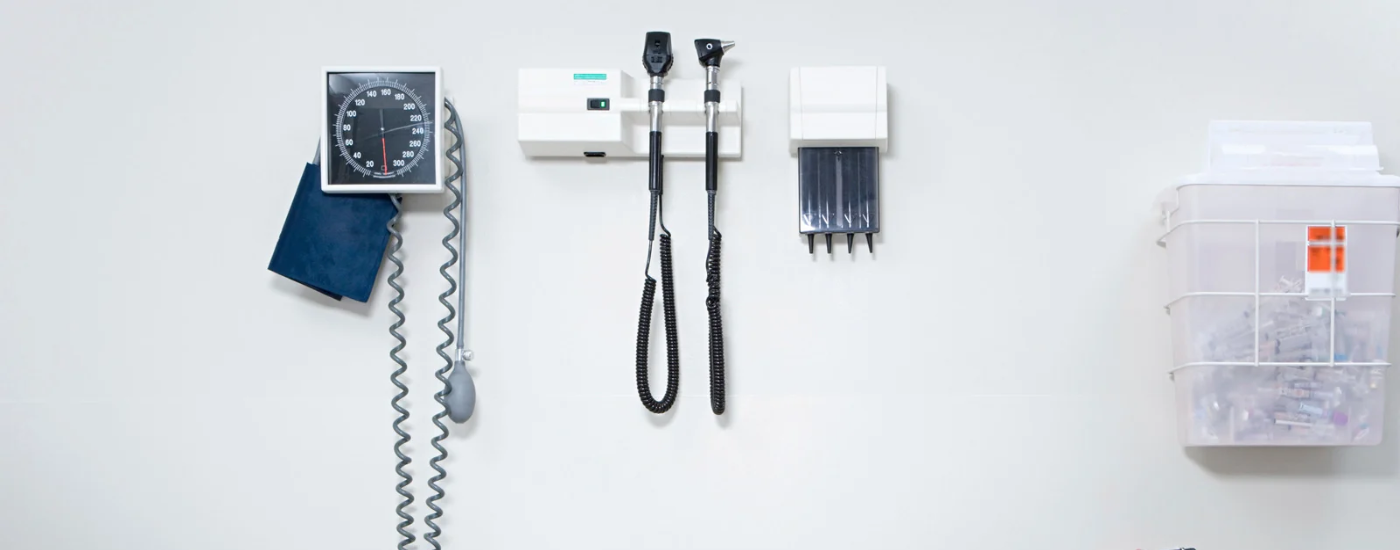
Closing, relocating, renovating, or consolidating a medical office involves more than removing furniture and clearing out storage rooms. Healthcare facilities must also protect patient records, secure electronic data, properly manage medical waste, and determine which equipment can be reused, recycled, or destroyed.
Without a coordinated plan, sensitive information can remain in filing cabinets, retired computers, examination equipment, and storage areas long after a practice stops operating.
A medical office cleanout should begin with an inventory of records, equipment, and waste, followed by a review of retention requirements, HIPAA safeguards, disposal procedures, and documentation needs. Confidential materials must be secured before general removal begins.
This medical office cleanout checklist outlines 12 essential steps for healthcare administrators, practice managers, and facility teams. Black Ops Destruction helps medical offices throughout Ohio and the Midwest coordinate secure document shredding, hard drive destruction, medical waste disposal, electronics recycling, and commercial cleanout services.
Medical Office Cleanout Checklist: 12 Essential Steps
Use this checklist when preparing to close, relocate, renovate, or consolidate a healthcare facility.
- Assign a cleanout coordinator. Establish the project timeline, responsible departments, and final property handover date.
- Inventory patient records and equipment. Identify paper files, electronic storage devices, medical equipment, furniture, and waste containers.
- Review medical record retention requirements. Determine which records must be preserved, transferred, returned, or made available to patients.
- Secure confidential patient information. Restrict access to medical records, billing documents, and other protected health information (PHI).
- Identify records approved for destruction. Verify retention eligibility, legal holds, and internal authorization before shredding.
- Arrange secure document shredding. Coordinate the destruction of confidential paper records no longer required for retention.
- Inventory and secure electronic devices. Locate hard drives, computers, servers, copiers, and other equipment containing patient data.
- Separate medical waste from general debris. Identify sharps, regulated medical waste, pharmaceuticals, and other materials requiring specialized handling.
- Coordinate medical equipment removal. Determine which items can be transferred, sold, donated, recycled, or require specialized disposal.
- Remove office furniture and general materials. Schedule removal after confidential records and regulated materials have been secured.
- Collect destruction and disposal documentation. Maintain appropriate pickup records, destruction certificates, and other project documentation.
- Complete a final security inspection. Check cabinets, storage rooms, treatment areas, and equipment before releasing the property.
Important: Closing or relocating a medical office does not automatically authorize the destruction of patient records or regulated materials. Applicable legal requirements and internal policies must be reviewed before disposal.
What Needs to Be Removed During a Medical Office Cleanout?
Medical offices contain several categories of materials that require different disposal procedures.
A typical cleanout may involve:
- Patient records: Medical charts, intake forms, insurance information, billing records, and confidential correspondence.
- Electronic equipment: Computers, hard drives, servers, printers, copiers, and other devices that may store patient information.
- Medical waste: Sharps containers, regulated infectious waste, contaminated materials, and other healthcare waste streams.
- Medical equipment: Examination tables, diagnostic devices, treatment equipment, and specialized clinical assets.
- Office furniture: Desks, chairs, filing cabinets, shelving, and reception furniture.
- Administrative materials: Employee records, financial documents, outdated forms, and confidential business paperwork.
- General debris: Packaging, non-sensitive supplies, damaged furniture, and ordinary commercial waste.
These materials should not be combined into a single disposal stream. The appropriate handling method depends on the contents, condition, security requirements, and applicable regulations.
Review Medical Record Retention Requirements Before Shredding
Patient records are among the most sensitive materials involved in a medical office cleanout.
Before scheduling document destruction, healthcare administrators must determine which records must remain accessible and which are legally eligible for disposal.
How Long Must Medical Offices Keep Patient Records?
There is no universal retention period for every medical record in the United States.
Retention requirements may depend on:
- State medical record retention laws
- The type of healthcare provider or facility
- Whether the records involve minors
- Medicare, Medicaid, or other program requirements
- Professional licensing and accreditation obligations
- Pending litigation, investigations, or preservation requirements
- The practice's approved retention policy
HIPAA does not establish a general medical record retention period. HIPAA's six-year documentation requirements concern specified compliance documentation, not a universal six-year retention period for patient medical charts.
A practice that closes permanently may also have obligations to notify patients, arrange record custody, and preserve access to medical records.
For example, a medical office relocating within Ohio should review the applicable Ohio retention and patient access requirements rather than assuming all archived records can be shredded.
Which Medical Office Records May Be Eligible for Shredding?
After the applicable retention period has expired and destruction has been approved, certain confidential documents may be eligible for secure disposal.
Examples include:
- Expired patient record copies
- Outdated intake and registration forms
- Superseded insurance and billing paperwork
- Duplicate patient documents
- Archived administrative records
- Confidential employee and payroll files
- Obsolete forms containing personal information
- Old financial and vendor records
Not every document in these categories will be eligible for immediate destruction. The practice must review applicable obligations and authorize disposal.
How to Dispose of Patient Records Under HIPAA
HIPAA requires covered healthcare organizations to apply appropriate safeguards when disposing of protected health information.
The U.S. Department of Health and Human Services explains that paper records containing PHI may be shredded or otherwise destroyed so the information cannot reasonably be reconstructed.
Patient records should not be placed in ordinary trash or publicly accessible recycling containers while protected information remains readable.
Medical offices should establish a controlled disposal process that includes secure collection, restricted access, authorized destruction, and appropriate documentation.
Secure Collection and Document Shredding
Before shredding begins, separate approved records from documents that must be retained.
Confidential paperwork should be collected in secure containers or restricted-access storage areas.
A professional shredding service can help healthcare facilities destroy approved records without leaving sensitive information exposed during an office move or property cleanout.
Black Ops Destruction provides secure document shredding for organizations handling confidential information, including healthcare practices.
Chain of Custody and Certificates of Destruction
Documented handling procedures can help medical offices track confidential materials from collection through destruction.
Depending on the service, documentation may include:
- Internal destruction approvals
- General categories of records destroyed
- Collection and service dates
- Pickup and transportation records
- Chain-of-custody information
- Certificates of Destruction
A Certificate of Destruction helps document that a destruction service occurred. However, it does not independently establish that the records were legally eligible for destruction.
Healthcare organizations should generally establish a Business Associate Agreement with vendors that handle or destroy protected health information on their behalf, when required under HIPAA.
For additional guidance, see the HHS information on disposing of protected health information.
Securely Dispose of Computers, Hard Drives, and Electronic Patient Data
Medical offices increasingly store patient information electronically, making electronic equipment disposal a critical part of any cleanout.
Retired computers and devices may contain electronic protected health information (ePHI) even after files have been deleted or equipment has been disconnected.
Common devices requiring review include:
- Desktop computers and laptops
- Internal and external hard drives
- Solid-state drives
- Servers and network storage devices
- Printers and multifunction copiers
- USB drives and backup media
- Diagnostic equipment with internal storage
- Other connected medical devices capable of storing patient data
Follow Recognized Media Sanitization Guidance
NIST Special Publication 800-88 Revision 2 provides guidance for establishing a media sanitization program.
Its sanitization categories include:
- Clear: Uses appropriate techniques to protect against ordinary recovery of data.
- Purge: Uses stronger sanitization techniques to make recovery infeasible under a more demanding threat model.
- Destroy: Physically renders storage media unusable and makes data recovery infeasible.
The appropriate approach depends on the device, information sensitivity, intended reuse, and organizational security requirements.
Simply deleting files or performing an ordinary factory reset should not be assumed sufficient for every device.
Medical offices should work with their IT and compliance teams to determine which devices can be securely sanitized and which require physical destruction.
Black Ops Destruction provides hard drive destruction services to help organizations securely retire storage media.
The official NIST SP 800-88 Revision 2 publication provides additional guidance.
Medical Waste Disposal During an Office Cleanout
Medical waste requires a different disposal process from confidential paperwork, electronic equipment, and ordinary commercial debris.
Before clearing treatment rooms, laboratories, or supply areas, medical offices should identify waste that may require specialized handling.
Sharps and Regulated Medical Waste
Common materials requiring evaluation include:
- Used needles and syringes
- Lancets and contaminated sharps
- Regulated blood-contaminated materials
- Certain laboratory and specimen waste
- Used sharps containers
- Other potentially infectious materials
OSHA's Bloodborne Pathogens Standard establishes requirements for handling regulated waste and contaminated sharps.
Contaminated sharps must be placed in appropriate containers that are closable, puncture resistant, leakproof on the sides and bottom, and properly labeled or color-coded.
Sharps containers must also be closed before removal to prevent contents from spilling or protruding.
For additional details, review OSHA's Bloodborne Pathogens Standard, 29 CFR 1910.1030.
Separate Pharmaceutical and Hazardous Waste
Not all healthcare waste can be handled through the same disposal service.
Expired medications, controlled substances, chemotherapy waste, hazardous chemicals, and certain other materials may be subject to specialized federal or state requirements.
Medical offices should identify these waste streams separately and coordinate disposal with appropriately authorized providers.
Do not mix pharmaceutical waste, regulated medical waste, confidential records, and ordinary office debris into one cleanout container.
Black Ops Destruction offers medical waste disposal services for healthcare organizations. Facilities should confirm accepted materials, service availability, and any specialized handling requirements before scheduling collection.
What Happens to Old Medical Equipment and Office Furniture?
Not every item removed from a medical office requires destruction.
Some furniture and equipment may be suitable for transfer, resale, donation, or recycling after appropriate review.
Medical Equipment Requiring Special Attention
Medical equipment should be evaluated before removal, particularly when it may contain patient information, regulated components, or hazardous materials.
Examples include:
- Examination and treatment tables
- Diagnostic equipment
- Patient monitors
- Laboratory equipment
- Refrigerators and temperature-controlled storage
- Imaging equipment
- Medical carts and storage cabinets
Certain devices may require professional decommissioning, decontamination, removal of regulated materials, or manufacturer-specific procedures.
Medical offices should assign these responsibilities to qualified personnel before scheduling general equipment removal.
Office Furniture, Electronics, and General Debris
Once confidential records, regulated waste, and specialized equipment have been addressed, facilities teams can begin removing ordinary office contents.
This may include desks, chairs, filing cabinets, shelving, reception furniture, and non-sensitive commercial debris.
Reusable materials should be separated from items requiring recycling or disposal.
Black Ops Destruction provides commercial cleanout and removal services and electronics recycling, allowing medical offices to coordinate several removal needs through one service provider where appropriate.
CHART
Common Medical Office Cleanout Mistakes to Avoid
A poorly planned medical office cleanout can create privacy, safety, and operational problems.
Shredding patient records too early. Records may remain subject to state retention requirements, patient access obligations, or legal holds.
Throwing confidential documents into general trash. Readable patient information should not be placed in publicly accessible waste containers.
Overlooking electronic storage devices. Printers, copiers, diagnostic equipment, and retired computers may contain recoverable patient information.
Mixing medical waste with ordinary debris. Sharps and other regulated materials require appropriate handling and disposal.
Removing specialized equipment without review. Certain devices may require authorized decommissioning or additional safety precautions.
Failing to document destruction. Missing disposal records can make it difficult to confirm how confidential materials were handled.
Scheduling general removal too early. Moving furniture and debris before securing sensitive materials can increase the risk of lost records or improper disposal.
A coordinated cleanout plan helps healthcare facilities address these risks before the final move or closure date.
When Should a Medical Office Schedule Professional Cleanout Services?
Medical offices may benefit from professional cleanout services during several types of transitions.
Permanent practice closure: Remove approved records, retired equipment, furniture, and waste while maintaining required access to retained patient information.
Office relocation: Transfer necessary records and equipment while securely disposing of materials that are no longer needed.
Practice consolidation: Review duplicate records, obsolete electronics, and surplus equipment when combining multiple locations.
Renovation or expansion: Clear storage rooms, treatment areas, and administrative spaces before construction begins.
Records storage reduction: Coordinate a secure document purge after verifying that archived files have satisfied applicable retention requirements.
Equipment replacement: Arrange appropriate disposal or recycling of retired computers, hard drives, and other assets.
For larger projects, scheduling confidential document destruction and regulated waste removal before general cleanout work can reduce handling risks and simplify coordination.
Frequently Asked Questions About Medical Office Cleanouts
What should be included in a medical office cleanout checklist?
A medical office cleanout checklist should cover patient records, electronic data, medical waste, sharps, medical equipment, office furniture, recycling, and final security inspections. It should also identify responsible personnel and required disposal documentation.
Can a medical office shred patient records when it closes?
Not automatically. Patient records may remain subject to state retention laws, patient access requirements, litigation holds, and other obligations after a practice closes. Only records approved for destruction should be shredded.
Does HIPAA require medical records to be shredded?
HIPAA requires appropriate safeguards for disposing of protected health information but does not mandate shredding as the only acceptable method. Secure shredding is one recognized approach for destroying confidential paper records.
What happens to computers and hard drives when a medical office closes?
Devices containing electronic patient information must be evaluated for approved sanitization, secure transfer, or destruction before reuse or disposal. The appropriate method depends on the equipment and applicable security requirements.
Can medical waste go into a commercial cleanout dumpster?
Regulated medical waste generally requires handling under applicable medical waste rules and should not be mixed with ordinary commercial debris. Facilities must identify the waste category and arrange appropriate disposal.
Do medical offices need a Certificate of Destruction?
Certificates of Destruction can support internal recordkeeping, vendor oversight, and documentation of completed services. Whether particular documentation is required depends on applicable regulations, contracts, and facility policies.
Can one company handle shredding, medical waste, and office cleanouts?
Some providers offer multiple services. Black Ops Destruction provides secure shredding, hard drive destruction, medical waste disposal, electronics recycling, and commercial cleanout services. The specific scope of a project should be confirmed before scheduling.
Secure Medical Office Cleanout Services From Black Ops Destruction
A medical office cleanout requires careful coordination to protect patient information, manage regulated waste, and remove equipment responsibly.
Black Ops Destruction is a veteran-owned, NAID AAA-certified secure destruction company serving healthcare organizations throughout Ohio, Indiana, Michigan, Kentucky, and the Midwest.
Our services include secure document shredding, hard drive destruction, medical waste disposal, electronics recycling, and commercial cleanout and removal services.
Whether your practice is closing, relocating, renovating, or clearing years of archived materials, our team can help coordinate an appropriate destruction and removal solution.
Planning a medical office cleanout? Contact Black Ops Destruction to discuss secure records disposal, medical waste removal, and equipment cleanout services.
Call (330) 888-5410 or request a quote.
Disclaimer: This article provides general educational information and is not legal, medical, or regulatory compliance advice. Healthcare organizations should consult their legal, compliance, and environmental safety teams to determine applicable requirements before disposing of records, equipment, or regulated waste.