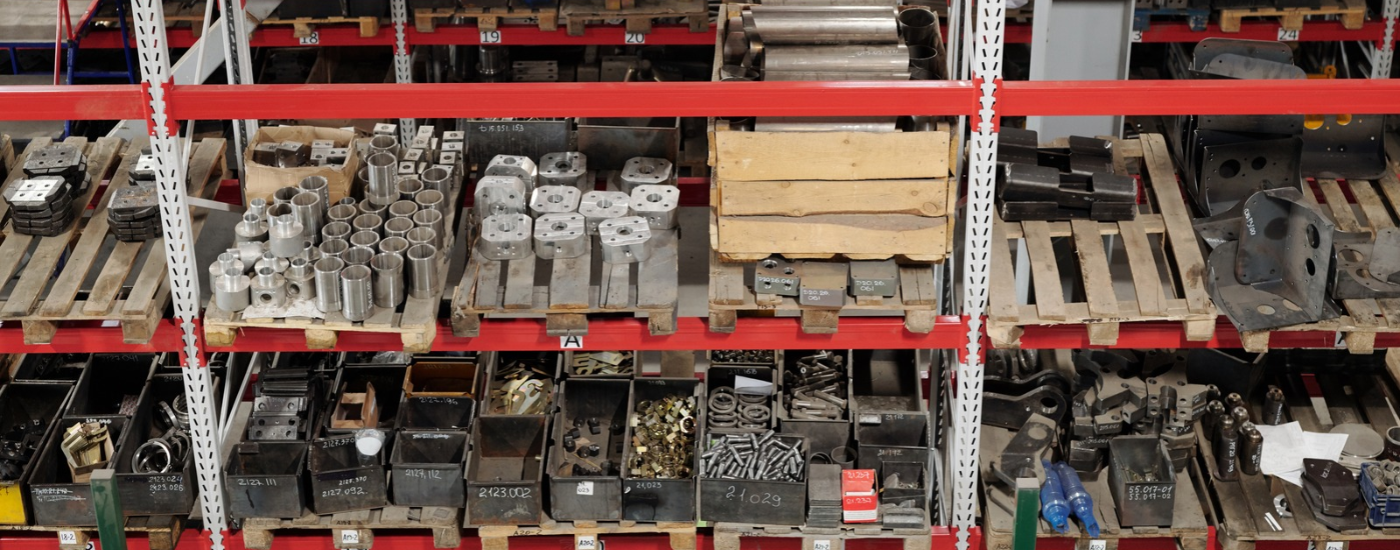
Obsolete inventory can create costly problems for manufacturers, distributors, and industrial warehouses. Outdated components, discontinued products, defective production batches, and unused raw materials can occupy valuable storage space long after they have lost their commercial value.
Obsolete inventory disposal requires more than removing unwanted materials from a warehouse. Manufacturers must determine which items can be returned, repurposed, recycled, or securely destroyed while accounting for safety requirements, proprietary information, and disposal documentation.
Black Ops Destruction helps manufacturers, distributors, and industrial facilities throughout Ohio and the Midwest manage obsolete stock through secure product destruction, electronics recycling, textile destruction, and commercial cleanout services. A structured disposal process helps businesses reclaim warehouse space, reduce unnecessary handling costs, and prevent unusable or restricted products from reentering circulation.
What Is Obsolete Inventory in Manufacturing?
Obsolete inventory refers to materials, components, or finished products that a business no longer expects to use or sell through normal operations.
For manufacturers, obsolete stock can include:
- Raw materials no longer needed for production
- Components designed for discontinued products
- Outdated electronic parts and assemblies
- Defective or rejected manufacturing batches
- Finished goods that no longer meet specifications
- Products affected by design or engineering changes
- Excess packaging with outdated branding or labeling
- Unused materials remaining after a facility closure
- Proprietary products that cannot be released for resale
Obsolete inventory differs from ordinary excess inventory. Excess stock may still have future demand or commercial value, while obsolete materials may no longer serve a practical manufacturing purpose.
However, obsolete does not automatically mean hazardous, worthless, or suitable for destruction. Each inventory category should be evaluated before a disposal decision is made.
Retailers managing seasonal overstock, customer returns, and discontinued consumer merchandise can also explore our guide to unsold inventory disposal.
Why Is Obsolete Inventory Disposal Important for Manufacturers?
Holding unusable inventory can affect manufacturing efficiency, warehouse operations, and business costs.
Recovering Valuable Warehouse Space
Obsolete components and discontinued products can occupy pallet racks, shelving, staging areas, and other storage locations needed for active production materials.
Removing unnecessary inventory can improve warehouse organization and create additional capacity without immediately expanding the facility.
Reducing Storage and Handling Costs
Even when inventory is no longer useful, it may continue generating expenses through storage, insurance, inventory tracking, equipment usage, and labor.
A planned disposal project helps manufacturers reduce the resources dedicated to materials that are unlikely to return to production.
Protecting Proprietary Products and Designs
Certain obsolete materials may contain proprietary components, branded packaging, engineering details, or products that were never approved for public distribution.
Improper disposal can allow these items to enter unauthorized resale channels or become accessible to parties outside the organization.
Secure destruction may be appropriate when reuse or resale cannot adequately protect these materials.
Improving Inventory Accountability
Unusable stock can complicate warehouse counts, inventory reconciliation, and financial reporting.
Documented disposal helps businesses reconcile physical inventory with warehouse management and accounting systems.
What Are the Best Ways to Dispose of Obsolete Manufacturing Inventory?
Manufacturers have several disposal options depending on the condition, composition, value, and restrictions associated with their inventory.
1. Return Unused Materials to Suppliers
Some obsolete materials may qualify for return under supplier agreements, warranty provisions, or negotiated return arrangements.
Manufacturers should review purchase agreements and determine whether suppliers will accept unused components, unopened materials, or discontinued stock.
Returning eligible inventory may reduce disposal costs and recover some of its remaining value.
2. Rework or Repurpose Components
Certain materials can be modified or incorporated into other manufacturing processes.
Examples may include:
- Reusing compatible components in another product line
- Reworking parts that do not meet original specifications
- Recovering usable materials from unfinished assemblies
- Repurposing packaging or manufacturing supplies
Before reusing components, businesses should confirm that they meet applicable quality, engineering, and safety requirements.
3. Sell or Liquidate Eligible Inventory
Some obsolete stock may retain value through industrial surplus buyers, equipment resellers, or secondary-market distributors.
This option may be suitable for unused materials or components that remain safe, functional, and legally eligible for resale.
However, manufacturers should consider contractual restrictions, intellectual property concerns, product traceability, and the possibility of unauthorized redistribution.
4. Recycle Recoverable Materials
Manufacturing inventory may contain materials that can be recovered through appropriate recycling processes.
Depending on material composition and available facilities, recyclable inventory may include:
- Certain metals and metal components
- Cardboard and packaging materials
- Some plastic materials
- Eligible electronic equipment
- Certain textiles and industrial fabrics
Material recovery requirements vary. Mixed materials, coatings, contamination, and regulated components can affect whether recycling is possible.
5. Arrange Secure Industrial Product Destruction
Some obsolete inventory cannot appropriately be reused, sold, donated, or recycled in its original form.
Secure destruction may be appropriate for:
- Proprietary or confidential products
- Defective manufacturing batches
- Rejected quality-control inventory
- Branded merchandise restricted from resale
- Discontinued components with security concerns
- Products subject to approved destruction requirements
Professional product destruction helps manufacturers physically process designated materials to reduce the risk of unauthorized reuse or redistribution.
Black Ops Destruction's product destruction services help businesses coordinate the secure removal and destruction of eligible unwanted products.
Before scheduling a project, manufacturers should confirm accepted materials, processing methods, and documentation requirements.
When Should Manufacturers Choose Secure Destruction?
Not every obsolete item needs to be destroyed. However, certain circumstances make controlled destruction an important option.
Products That Fail Quality-Control Standards
Manufacturing defects can affect product safety, reliability, or performance.
If rejected products cannot be safely reworked or approved for another use, destruction may help prevent them from entering unauthorized distribution channels.
Proprietary Components and Confidential Products
Some manufacturing materials contain confidential designs, specialized components, or proprietary product features.
Businesses should evaluate whether ordinary scrap sales or recycling would adequately protect these materials.
Where necessary, physical destruction can help prevent intact products or components from being recovered.
Discontinued Products With Resale Restrictions
Products may become obsolete following engineering updates, supplier changes, contract terminations, or product-line discontinuations.
When resale is prohibited or creates unacceptable risks, secure destruction may provide an appropriate disposition method.
Recalled or Restricted Inventory
Recalled products must be handled according to applicable recall instructions and regulatory requirements.
Some products may require manufacturer-approved returns, repairs, specialized processing, or documented destruction.
Manufacturers should not automatically send recalled, hazardous, or regulated inventory through standard product destruction services. The correct handling method must be confirmed before disposal.
How to Dispose of Obsolete Inventory: A 7-Step Manufacturing Checklist
Manufacturers can use the following process to organize an obsolete inventory disposal project.
Step 1: Identify and Quantify Obsolete Stock
Begin with an inventory audit to identify materials that are no longer needed for manufacturing or normal distribution.
Record relevant information, including:
- Product names and descriptions
- Part numbers or SKUs
- Quantities and estimated weights
- Storage locations
- Material composition
- Product condition
- Known safety or handling restrictions
Accurate records help businesses estimate disposal requirements and coordinate collection.
Step 2: Separate Inventory by Material and Condition
Group obsolete inventory into categories such as reusable, returnable, recyclable, restricted, and designated for destruction.
Keep materials with different handling requirements separate.
This can help avoid unnecessary disposal costs and reduce the risk of mixing incompatible or regulated materials.
Step 3: Review Product and Environmental Requirements
Determine whether any inventory contains hazardous components, batteries, chemicals, electronic data, or other materials requiring specialized handling.
Review product labels, safety data sheets, supplier information, and applicable disposal requirements.
For materials potentially subject to hazardous waste regulation, manufacturers can consult the U.S. Environmental Protection Agency's hazardous waste guidance.
Step 4: Evaluate Recovery Opportunities
Before selecting destruction, determine whether inventory can be returned, reused, reworked, liquidated, or recycled.
Compare potential recovery value against transportation, processing, labor, and storage costs.
Manufacturers should also account for contractual restrictions and the risks associated with releasing products into secondary markets.
Step 5: Identify Inventory Requiring Secure Destruction
Separate products that cannot appropriately return to circulation.
This may include proprietary products, rejected manufacturing batches, restricted branded materials, or components that must be rendered unusable.
Document the reason for destruction and obtain the necessary internal approvals.
Step 6: Coordinate Collection and Processing
Work with an appropriate service provider to establish:
- Accepted material categories
- Estimated inventory quantities
- Packaging and pallet requirements
- Loading and transportation arrangements
- Destruction or recycling methods
- Required service documentation
For larger projects, coordinate collection with production schedules and warehouse operations to minimize disruption.
Step 7: Document Disposal and Update Inventory Records
Maintain applicable records showing what inventory was removed and how it was handled.
Depending on the service, documentation may include collection records, inventory descriptions, recycling records, and Certificates of Destruction.
Once disposition is confirmed, update warehouse management and accounting records as appropriate.
Accounting treatment, including inventory write-downs or write-offs, should be reviewed with the business's accounting professionals.
Can Obsolete Manufacturing Inventory Be Recycled After Destruction?
In some cases, yes.
Secure destruction and material recycling can be part of the same disposal process.
Certain products can be physically processed to prevent reuse while allowing eligible materials to enter recycling streams.
For example, some metal components, textiles, and electronic materials may be suitable for material recovery after appropriate processing.
However, recycling is not guaranteed for every product. Composite materials, contamination, coatings, hazardous components, and local processing capabilities can limit recovery.
Manufacturers should confirm which materials their provider accepts and whether the chosen destruction method supports recycling.
Black Ops Destruction also provides electronics recycling and textile destruction services for businesses managing eligible unwanted materials.
How Can Manufacturers Reduce Future Obsolete Inventory?
Although some inventory obsolescence is unavoidable, manufacturers can reduce unnecessary accumulation through better planning and inventory controls.
Useful practices include:
- Review inventory regularly: Identify aging materials before they lose all potential value.
- Track engineering changes: Flag components affected by revised designs or discontinued product lines.
- Coordinate purchasing and production: Reduce unnecessary orders for materials with declining demand.
- Review supplier agreements: Establish return and end-of-life provisions where practical.
- Separate obsolete materials promptly: Prevent discontinued stock from becoming mixed with active inventory.
- Schedule periodic inventory cleanouts: Remove approved obsolete stock before storage areas become overcrowded.
A consistent process helps businesses identify unusable materials earlier and manage disposal more efficiently.
Frequently Asked Questions About Obsolete Inventory Disposal
What is the best way to dispose of obsolete inventory?
The best method depends on the inventory's condition, material composition, remaining value, and applicable restrictions. Manufacturers may return, reuse, liquidate, recycle, or securely destroy obsolete stock.
What is the difference between obsolete inventory and excess inventory?
Excess inventory is stock held beyond current demand but may still be usable or sellable. Obsolete inventory is stock a business no longer expects to use or sell through normal operations.
Can manufacturers recycle obsolete components?
Some obsolete components contain recoverable metals, plastics, or electronic materials. Recycling eligibility depends on the material, contamination, processing capabilities, and applicable regulations.
When should obsolete inventory be securely destroyed?
Secure destruction may be appropriate when inventory contains proprietary designs, fails quality-control requirements, is restricted from resale, or otherwise cannot safely or appropriately return to circulation.
Do manufacturers need documentation for obsolete inventory disposal?
Documentation can support inventory reconciliation, internal audits, and compliance procedures. Depending on the materials and disposal method, records may include inventory logs, collection receipts, recycling records, or Certificates of Destruction.
Can obsolete inventory be written off before it is physically destroyed?
Inventory write-downs or write-offs and physical disposal are separate processes. Accounting treatment depends on applicable standards and the business's circumstances. Manufacturers should coordinate with their accounting professionals while maintaining appropriate physical disposition records.
Secure Manufacturing Inventory Disposal in Ohio and the Midwest
Obsolete manufacturing inventory can occupy valuable warehouse space, increase operating costs, and create unnecessary risks when unusable or restricted products are improperly discarded.
A responsible disposal strategy starts by identifying materials that can be returned, reused, or recycled and determining which products require controlled destruction.
Black Ops Destruction helps manufacturers, distributors, industrial facilities, and warehouses throughout Ohio and the Midwest manage unwanted materials through secure product destruction, electronics recycling, textile destruction, and commercial cleanout services.
Whether your facility is clearing discontinued components, defective finished goods, outdated branded inventory, or materials remaining after a production change, our team can help evaluate your disposal needs and coordinate an appropriate solution.
Need to clear obsolete manufacturing inventory? Contact Black Ops Destruction or call (330) 888-5410 to discuss your product destruction or warehouse cleanout project.