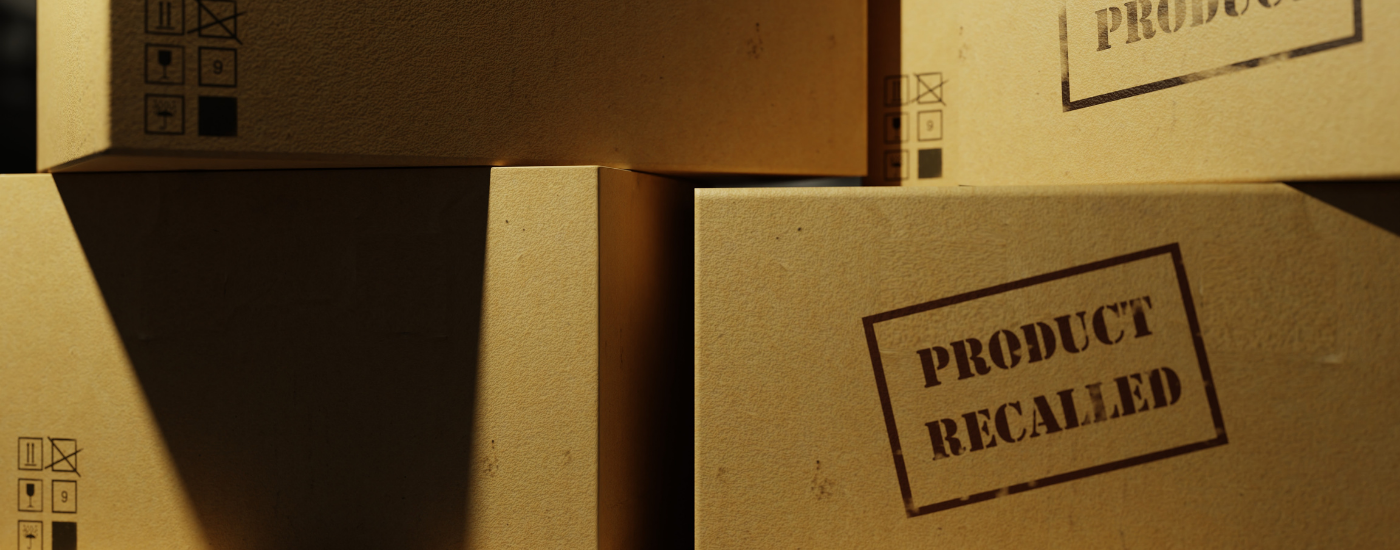
When a product recall occurs, manufacturers, retailers, and distributors must act quickly to identify affected inventory, prevent further distribution, and follow the appropriate corrective-action procedures. Depending on the product and recall requirements, those actions may include repairs, refunds, replacements, returns, or secure destruction.
Recalled product destruction is the controlled process of permanently rendering recalled merchandise unusable when destruction is required or authorized under the applicable recall plan. Proper handling helps prevent unsafe products from reentering circulation while supporting inventory accountability and regulatory compliance.
Black Ops Destruction provides secure product destruction services for businesses throughout Ohio and the Midwest. Understanding how recalled inventory should be identified, secured, processed, and documented can help organizations reduce operational risks and manage recalls more effectively.
What Is Recalled Product Destruction?
Recalled product destruction involves physically destroying products that have been identified as defective, unsafe, improperly labeled, or otherwise subject to a recall requiring destruction.
The objective is to prevent affected merchandise from being reused, resold, or redistributed when doing so would violate applicable recall instructions or create unacceptable risks.
Depending on the product, destruction may involve:
- Mechanical shredding
- Crushing
- Dismantling
- Material separation
- Specialized processing
- Other approved destruction methods
The appropriate method depends on the product's composition, the hazards involved, and the requirements of the recall.
Not every recalled product must be destroyed. Some recalls allow products to be repaired, replaced, returned to the manufacturer, or otherwise corrected. Businesses should follow the specific recall instructions before determining how affected inventory will be handled.
Why Is Proper Recalled Product Disposal Important?
A recall does not end when affected products are removed from store shelves.
Businesses must also account for recalled merchandise throughout warehouses, distribution centers, return facilities, and other locations where products may remain.
Improper handling can create safety, regulatory, financial, and reputational concerns.
Preventing Unsafe Products From Reentering the Market
Recalled merchandise may remain identifiable, functional, or attractive to secondary-market buyers even after being removed from normal inventory.
Without appropriate controls, products could be:
- Accidentally returned to available stock
- Sold through liquidation channels
- Transferred to unauthorized buyers
- Donated without proper authorization
- Reintroduced through customer returns
- Retrieved from unsecured disposal areas
When destruction is required, physically rendering products unusable helps prevent further circulation.
Supporting Regulatory Compliance
Certain recalls involve federal regulatory agencies that oversee specific product categories.
Depending on the merchandise, applicable authorities may include:
- U.S. Consumer Product Safety Commission (CPSC)
- U.S. Food and Drug Administration (FDA)
- National Highway Traffic Safety Administration (NHTSA)
- U.S. Department of Agriculture Food Safety and Inspection Service (USDA FSIS)
Each agency operates under different legal requirements and recall procedures.
Businesses should identify the applicable regulator and follow the specific instructions governing the affected products.
Protecting Customers and Business Reputation
Products that remain in circulation after a recall may expose consumers to hazards that prompted the corrective action.
Continued distribution can also damage customer confidence and create additional complications for manufacturers and retailers.
Proper inventory controls and documented disposition procedures help businesses demonstrate that recalled merchandise was handled according to the applicable recall requirements.
What Types of Recalled Products May Require Secure Destruction?
Different industries encounter different recall scenarios.
Some recalled products may be repaired or returned, while others require controlled destruction or specialized disposal.
Consumer Goods and Retail Merchandise
Retail recalls may involve:
- Household products
- Children's products
- Toys and accessories
- Furniture
- Small appliances
- Seasonal merchandise
- Personal care accessories
- Products with defective components
When the recall remedy requires destruction, businesses must ensure affected products cannot be redistributed.
Electronics and Battery-Powered Products
Electronic product recalls may involve overheating, electrical defects, battery failures, or other safety concerns.
Products containing lithium-ion batteries or other hazardous components may require specialized handling.
Ordinary shredding or crushing may be inappropriate for certain batteries and electronic assemblies because of fire and other safety risks.
Businesses should confirm that the selected provider can safely handle the specific electronic products involved.
For obsolete or recalled electronics requiring appropriate material recovery, professional electronics recycling services may also be relevant, provided the processing method complies with the recall instructions.
Food, Cosmetics, and Personal Care Products
Some recalls involve contamination, undeclared ingredients, packaging defects, or labeling concerns.
These products may require handling under FDA, USDA, state, or other applicable requirements.
Businesses should not assume that a general product destruction service is appropriate for every food, cosmetic, or regulated consumer product.
Automotive Parts and Components
Recalled automotive components may include defective electrical systems, mechanical parts, safety equipment, or other assemblies.
The appropriate corrective action may involve replacement, repair, return, or destruction under the applicable recall instructions.
Branded Merchandise and Promotional Products
Certain product recalls involve merchandise carrying recognizable logos, packaging, or proprietary designs.
If affected products are not properly controlled, they may enter unauthorized resale channels and continue circulating under the original brand.
Secure destruction can help prevent recalled merchandise from being redistributed when destruction is the approved disposition method.
How Does the Recalled Product Destruction Process Work?
A structured process helps businesses maintain control over affected inventory from initial identification through final disposition.
The exact procedures depend on the recall, product category, and applicable regulatory requirements.
Step 1: Identify the Recalled Products
Businesses should first determine which products are covered by the recall.
Relevant identifiers may include:
- Product names
- Stock keeping units (SKUs)
- Model numbers
- Serial numbers
- Lot or batch numbers
- Manufacturing dates
- Distribution dates
- Recall identification numbers
Accurate identification is essential because a recall may affect only certain production runs or product variations.
Destroying unaffected merchandise unnecessarily can increase costs and create avoidable waste.
Step 2: Remove Affected Inventory From Distribution
Once affected products are identified, businesses should prevent further sales, shipments, or transfers that are inconsistent with the recall instructions.
Depending on the operation, this may involve:
- Blocking affected SKUs in inventory systems
- Removing merchandise from sales floors
- Suspending fulfillment
- Identifying products in transit
- Notifying distribution partners
- Establishing designated recall storage areas
These controls help reduce the risk of recalled merchandise being released accidentally.
Step 3: Secure and Segregate Recalled Inventory
Affected products should be separated from normal inventory and clearly identified.
Businesses may use designated holding areas, inventory labels, access restrictions, and tracking records.
The appropriate storage method depends on product characteristics.
For example, recalled electronics containing damaged batteries may require different precautions than recalled household textiles.
Segregation helps prevent inventory mix-ups and supports accurate accounting.
Step 4: Confirm the Approved Disposition Method
Before arranging destruction, businesses should review the applicable recall instructions.
Some recalls specify whether products must be:
- Returned to the manufacturer
- Repaired or modified
- Replaced
- Held for inspection
- Destroyed using an approved method
- Managed through another corrective-action process
A company should not independently destroy recalled merchandise when doing so would conflict with the recall plan, evidence-preservation requirements, or regulatory instructions.
Step 5: Arrange Appropriate Transportation and Handling
When destruction is authorized, the business must determine how products will reach the processing facility.
Planning considerations include:
- Product volume
- Pallet count
- Packaging requirements
- Pickup location
- Material hazards
- Transportation restrictions
- Loading requirements
- Scheduling deadlines
Products containing hazardous components or regulated materials may require specialized transportation and handling.
Step 6: Complete the Required Destruction
The destruction provider processes the merchandise using methods appropriate for the materials and required outcome.
The objective is to make affected products unusable and prevent their continued circulation.
The destruction process may differ based on whether the inventory contains plastics, metals, textiles, electronics, mixed materials, or other components.
Step 7: Obtain and Retain Documentation
After destruction, businesses should obtain appropriate records showing that the authorized service was completed.
Depending on the recall, documentation may include inventory manifests, quantities, destruction dates, processing information, and Certificates of Destruction.
For more information about destruction records, see our guide to what a Certificate of Destruction is and why businesses need one.
The company should retain records according to applicable recall instructions, regulatory requirements, contractual obligations, and internal retention policies.
What Is a Certificate of Destruction for Recalled Products?
A Certificate of Destruction is a document issued by a destruction provider to record the completion of a destruction service.
For recalled inventory, it can help businesses demonstrate that affected merchandise was processed through an established destruction procedure.
Depending on the provider and project, a certificate may identify:
- The customer or organization
- The destruction provider
- The date of service
- The location of destruction
- The material or product category
- The quantity or weight processed
- The destruction method
- A reference or transaction number
- Authorized verification information
Some recalls may require additional documentation beyond a standard certificate.
For example, a company may need records identifying specific serial numbers, product batches, or affected inventory quantities.
A Certificate of Destruction is an important accountability document, but it does not automatically establish full regulatory compliance. Businesses should confirm that their records satisfy the requirements of the applicable recall.
Can Recalled Products Be Liquidated or Resold?
Businesses should not assume that recalled merchandise can be liquidated simply because it retains resale value.
For consumer products covered by CPSC requirements, federal law generally prohibits the sale or distribution of products subject to certain recalls.
The CPSC's guidance for retailers and reverse logistics providers explains important responsibilities for businesses handling recalled consumer products.
Other product categories may be governed by different laws and corrective-action procedures.
Before transferring recalled merchandise, businesses should determine:
- Whether resale is prohibited
- Whether a repair or corrective action is authorized
- Whether the products may be returned to the manufacturer
- Whether transfer to another business is permitted
- Whether destruction is required
- What documentation must accompany the disposition
Selling recalled merchandise through unauthorized liquidation channels can create serious safety and compliance concerns.
For businesses evaluating their broader inventory strategy, understanding product destruction vs. liquidation is important because the best option for ordinary excess inventory may be inappropriate for recalled products.
What Are the Risks of Improper Recalled Product Disposal?
Improper recalled product disposal can create consequences long after the original recall announcement.
Unauthorized Resale
Recalled products may reach secondary markets if they are transferred without appropriate controls.
Consumer Safety Hazards
Products that remain defective or unsafe can continue posing risks to users.
Inventory Errors
Poorly segregated recalled products may be accidentally returned to available inventory.
Regulatory Complications
Failing to follow applicable recall instructions may create compliance problems and complicate corrective-action reporting.
Incomplete Documentation
Missing inventory records can make it difficult to demonstrate what happened to affected products.
Brand Reputation Damage
Consumers may lose confidence in businesses when recalled merchandise continues appearing in circulation.
A documented recall management process helps organizations reduce these risks and maintain greater control over affected inventory.
How Much Does Recalled Product Destruction Cost?
Recalled product destruction costs depend on the characteristics of the merchandise and the services required.
There is no universal price that applies to every recall.
Product Type and Material Composition
Different products require different processing methods.
General consumer goods may be easier to process than electronics containing batteries or merchandise requiring specialized material separation.
Inventory Volume
The quantity of recalled merchandise influences transportation, handling, processing time, and equipment requirements.
Projects may involve individual pallets, large warehouse inventories, or multiple collection locations.
Transportation Distance
Pickup location and distance to the appropriate processing facility can affect overall costs.
Sorting and Preparation
Products requiring additional sorting, unpacking, or separation may involve additional labor.
Security and Documentation
Some recalls require detailed inventory verification, witnessed destruction, or additional documentation.
Specialized Processing
Hazardous components, regulated materials, or unusual product designs may require additional procedures or qualified facilities.
For a broader explanation of pricing models and cost considerations, read our guide to how much product destruction costs.
Businesses should request a project-specific quote based on the actual products and recall requirements.
Can Recalled Products Be Recycled After Destruction?
Some recalled products contain materials that may be suitable for recycling after secure destruction.
However, recycling eligibility depends on the materials, contamination, safety concerns, and applicable regulatory requirements.
Potentially recoverable materials may include:
- Certain metals
- Eligible plastics
- Some textile fibers
- Selected electronic components
- Packaging materials
Recycling should not compromise the required destruction outcome.
For example, recalled products may need to be physically rendered unusable before materials can enter an appropriate recovery stream.
The EPA's sustainable materials management hierarchy provides a framework for evaluating waste prevention, reuse, recycling, and disposal. However, any reuse or recovery decision involving recalled merchandise must remain consistent with applicable safety restrictions and recall requirements.
Products containing hazardous substances or batteries may require specialized processing.
Businesses should ask providers how destruction residue will be managed and whether any materials are suitable for recovery.
How Can Businesses Prepare for a Recalled Product Destruction Project?
Preparation helps businesses obtain accurate quotes, coordinate transportation, and maintain appropriate documentation.
Before contacting a destruction provider, gather the following information.
Product Identification
Prepare product names, descriptions, SKUs, model numbers, and relevant recall identifiers.
Inventory Quantity
Estimate the number of units, pallets, containers, or total weight requiring destruction.
Product Composition
Identify relevant materials, including batteries, liquids, chemicals, electronics, metals, textiles, and mixed components.
Storage and Pickup Location
Provide the facility address, loading conditions, and any transportation restrictions.
Recall Instructions
Have the applicable recall notice, corrective-action plan, or authorized disposition instructions available.
Documentation Requirements
Determine whether the project requires specific inventory records, photographs, witnessed destruction, or additional verification.
Timeline
Identify any deadlines established by the recall plan, regulator, customer agreement, or internal operations.
Providing accurate information helps a destruction provider evaluate whether it can accept the material and what procedures may be necessary.
What Should Businesses Look for in a Recalled Product Destruction Company?
Not every destruction provider is equipped to handle every type of recalled merchandise.
Businesses should evaluate the provider's capabilities before arranging service.
Experience With Commercial Product Destruction
Look for a provider familiar with handling unwanted merchandise, sensitive inventory, and commercial destruction projects.
Appropriate Processing Methods
Confirm that the provider can render the specific products unusable in accordance with the applicable requirements.
Secure Chain of Custody
Ask how inventory is protected during collection, transportation, storage, and processing.
Certificates of Destruction
Determine what documentation the provider issues and whether it meets the project's recordkeeping needs.
Material Handling Capabilities
Verify whether the provider can accept the product's materials, especially when batteries, chemicals, or regulated components are involved.
Recycling and Downstream Processing
Ask whether eligible materials can be recovered and how destruction residue is managed.
Clear Communication
A qualified provider should explain the information needed to evaluate the project and identify any materials or requirements outside its capabilities.
Frequently Asked Questions (FAQs) About Recalled Product Destruction
Do all recalled products have to be destroyed?
No. Some recalls involve repairs, replacements, refunds, returns, or other corrective actions. Destruction is appropriate when required or authorized under the applicable recall plan. Businesses should follow the specific instructions governing the affected merchandise.
Who is responsible for destroying recalled products?
Responsibility depends on the product, recall plan, applicable law, and agreements between manufacturers, distributors, retailers, and other parties. A business holding recalled inventory should coordinate with the responsible recall administrator before arranging destruction.
Can recalled products be donated?
Businesses should not donate recalled products unless the applicable recall instructions and law permit the transfer. Donation can create the same safety concerns as resale when defective merchandise remains in circulation.
Can recalled products be sold to liquidation companies?
Certain recalled products are prohibited from resale or distribution. Businesses must verify the applicable restrictions and corrective-action requirements before transferring recalled merchandise to liquidation buyers.
What happens to recalled products after destruction?
After approved destruction, resulting materials may be recycled, recovered, or disposed of through appropriate channels. The outcome depends on product composition, contamination, applicable requirements, and available processing methods.
Is a Certificate of Destruction required for recalled merchandise?
Not every recall requires the same documentation. A Certificate of Destruction may be required by a recall plan, regulator, customer agreement, or internal policy. Businesses should verify the specific documentation requirements for their products.
How long does recalled product destruction take?
Project timelines depend on inventory volume, product characteristics, transportation arrangements, processing requirements, and scheduling. Businesses should communicate any recall-related deadlines when requesting service.
Can electronics subject to recalls be shredded?
Some electronics may be processed through appropriate destruction methods, but batteries and other components can create safety risks. Businesses should verify that the provider has suitable procedures and capabilities before arranging electronic product destruction.
Can recalled products be recycled instead of destroyed?
Recycling may be an acceptable disposition method in some circumstances, but the products must still be handled according to the applicable recall instructions. When physical destruction is required, material recovery may occur afterward if appropriate.
How do businesses schedule recalled product destruction in Ohio?
Businesses should first confirm that destruction is authorized under the recall instructions. They can then contact a qualified provider with information about product type, inventory quantity, materials, pickup location, and documentation requirements.
Secure Recalled Product Destruction Services in Ohio and Across the Midwest
Managing recalled inventory requires careful coordination, accurate records, and appropriate disposition procedures. From identifying affected products to preventing unauthorized resale, businesses must ensure that merchandise is handled according to the applicable recall requirements.
When destruction is required, professional product destruction can help organizations permanently remove affected products from circulation while maintaining documentation of the completed service.
Black Ops Destruction is a Service-Disabled Veteran-Owned Small Business with more than 31 years of industry experience and NAID AAA certification. We provide secure destruction services for manufacturers, retailers, distributors, and other organizations throughout Ohio and the Midwest, including Cleveland, Columbus, Akron, Cincinnati, Dayton, Toledo, Detroit, Indianapolis, and Louisville.
Our team can evaluate product characteristics, inventory quantities, security needs, and documentation requirements to determine whether a destruction project falls within our service capabilities.
Request a customized product destruction quote from Black Ops Destruction to discuss your recalled inventory and secure destruction requirements.
Call: 330-888-5410
Email: mmarzullo@blackopsdestruction.com
Contact: Request a Quote