.png)
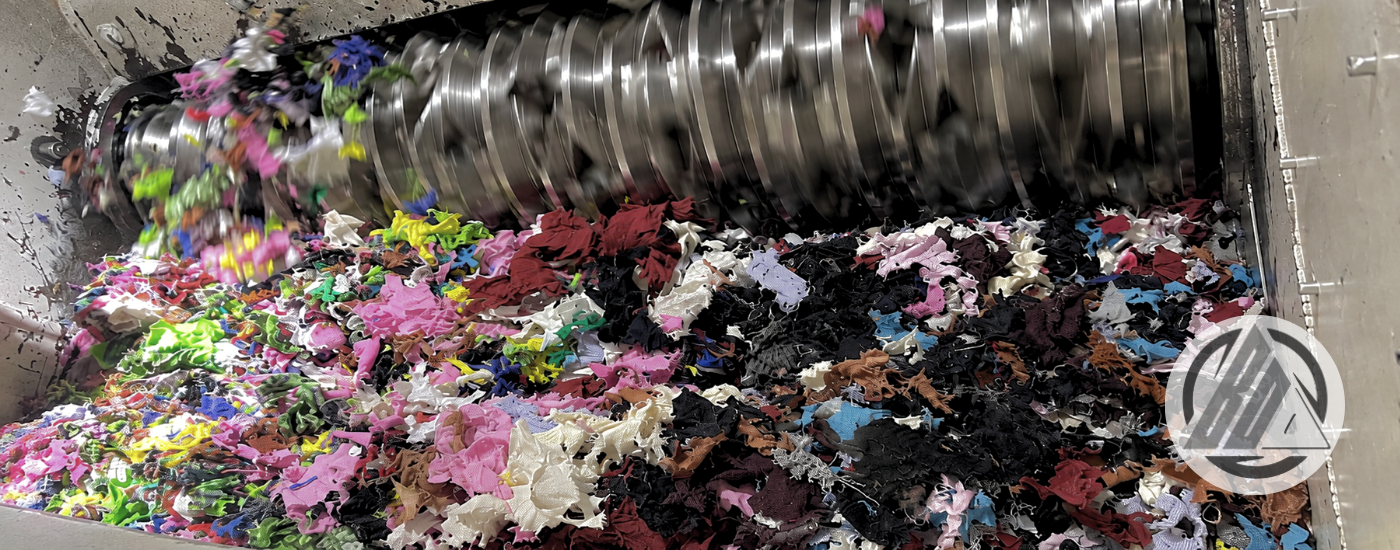
What happens to destroyed clothing after it leaves a business, warehouse, or distribution center? The answer depends on the type of clothing, why it needs to be destroyed, the destruction method used, and whether the resulting materials can be recycled or recovered.
For businesses disposing of branded uniforms, defective apparel, recalled merchandise, obsolete inventory, or other unwanted textiles, destruction is often only one part of the process. What happens afterward can be just as important, particularly when companies need to protect their brands, prevent unauthorized resale, and reduce unnecessary waste.
At Black Ops Destruction, we provide secure textile destruction and recycling services for businesses throughout Ohio and across the Midwest. We help organizations manage unwanted clothing and textile materials while addressing security requirements, brand protection, and available recycling options.
Some destroyed clothing may be processed into recycled textile materials. Other items may be unsuitable for recycling because of their composition, contamination, or the availability of appropriate processing facilities.
Understanding these differences helps businesses choose a disposal method that balances security, responsible material handling, and practical project requirements.
What Does It Mean to Destroy Clothing?
Clothing destruction is the process of physically altering garments so they can no longer be used, worn, or resold in their original form.
Unlike ordinary clothing disposal, which may involve donation, resale, or general waste collection, secure textile destruction is intended to make the original garments unusable.
Businesses may require clothing destruction for several reasons:
- Brand protection: Preventing unauthorized resale or misuse of branded apparel
- Uniform security: Keeping company uniforms, employee identification, and recognizable workwear out of circulation
- Product quality: Removing defective, damaged, or noncompliant clothing from inventory
- Inventory management: Disposing of obsolete merchandise, discontinued products, or excess stock
- Contractual requirements: Following applicable brand, licensing, or product-disposition agreements
- Risk reduction: Preventing discarded clothing from being recovered and used in ways the organization did not authorize
For example, a company replacing hundreds of employee uniforms may not want clothing with its logo, employee identifiers, or recognizable design to enter the secondhand market.
Similarly, a clothing manufacturer may need to ensure that defective merchandise cannot be recovered from a dumpster and resold.
In these situations, simply throwing clothing away may not provide the level of control the organization needs.
What Happens to Clothing During the Destruction Process?
The process generally begins with collection and handling, followed by physical destruction and an evaluation of what can happen to the resulting material.
The exact steps vary depending on the garments, the equipment used, and the destruction provider.
1. Clothing Is Collected and Prepared
Businesses may accumulate clothing requiring destruction in warehouses, distribution centers, retail locations, manufacturing facilities, or company offices.
Before destruction, the materials may need to be identified, inventoried, separated, or prepared for processing.
Examples include:
- Outdated employee uniforms
- Branded shirts, jackets, and promotional apparel
- Defective or recalled clothing
- Discontinued retail inventory
- Damaged merchandise
- Unusable industrial textiles
- Clothing containing sensitive company identifiers
The provider may also need information about fabric composition, attached hardware, contamination, packaging, and total volume.
These details help determine which destruction and downstream processing methods are appropriate.
2. Clothing Is Physically Destroyed
Depending on the project, clothing may be shredded, cut, or otherwise mechanically processed.
Industrial textile shredding equipment can break garments into smaller pieces, disrupting their original structure and making them unsuitable for normal wear or resale.
This is particularly important for branded apparel and uniforms.
A garment that remains largely intact may still be recognizable or usable. A properly selected destruction process is intended to prevent the original item from returning to circulation.
However, not every destruction method produces the same result. The level of processing required depends on the security concerns, product characteristics, and intended outcome.
Businesses should confirm that the proposed method will make their specific garments unusable before the project begins.
3. Destroyed Materials Are Evaluated for Further Processing
After clothing has been destroyed, the remaining material may still have potential value.
Depending on the textile composition and processing capabilities, some materials can be directed toward recycling or recovery.
Others may require additional sorting or disposal.
This is where clothing destruction and textile recycling become two related but distinct services.
Destruction addresses whether the original clothing can still be used. Recycling addresses whether the resulting materials can be used again.
A project can involve both, but recycling is not an automatic outcome of destruction.
Can Destroyed Clothing Be Recycled?
Yes. Some destroyed clothing can be recycled, although the available options depend on the material and the capabilities of the receiving recycler.
Textile recycling involves processing fabric or other textile materials into forms that may be suitable for additional manufacturing or industrial applications.
For example, certain textile fibers may be recovered and incorporated into insulation, padding, or other products.
However, not every garment can be recycled through the same process.
Factors that influence textile recyclability include:
- Fiber composition, such as cotton, polyester, wool, or blended materials
- Fabric coatings, adhesives, and chemical treatments
- Zippers, buttons, reflective strips, and other attached components
- Contamination from oils, chemicals, or other substances
- The size and condition of the material after destruction
- Available sorting and recycling equipment
- The specifications of facilities accepting the resulting textiles
The European Environment Agency's research on textile recycling explains that blended fibers, non-removable buttons, zippers, and other garment components can complicate textile recycling. These challenges help explain why material composition and preparation matter when determining what happens to destroyed clothing.
A load of relatively uniform cotton apparel may present different recycling opportunities than a mixed shipment of waterproof jackets, reflective workwear, and heavily blended fabrics.
Businesses should not assume that every shredded garment will become a new textile product.
Instead, they should ask their provider what recycling or recovery options are available for the particular materials involved.
What Can Destroyed Clothing Become?
When destroyed clothing is suitable for recycling, its fibers or fabric fragments may be processed for other uses.
The potential applications depend on the material and the recycling process.
Industrial Wiping Materials
Some recovered textiles can be used to produce industrial wiping products.
These materials may serve cleaning, maintenance, or manufacturing applications where the original clothing's appearance is no longer relevant.
However, converting clothing into wiping products is not appropriate for every secure destruction project. Businesses should confirm that the downstream process meets their requirements for preventing recognizable branded garments from returning to use.
Insulation and Padding
Certain recycled textile fibers may be used in insulation, padding, and cushioning products.
Possible applications include automotive components, building materials, and other manufactured goods.
In these cases, the original clothing is no longer used as apparel. Instead, its material properties contribute to another product.
Nonwoven Textile Products
Recovered fibers may also be incorporated into nonwoven materials.
Nonwoven textiles are manufactured by bonding or entangling fibers rather than weaving or knitting them into conventional fabric.
Depending on the fiber characteristics and manufacturing requirements, recycled textiles may contribute to industrial padding, protective layers, and other nonwoven products.
New Textile Fibers
Some textile recycling technologies can recover fibers or materials for use in new textile production.
Mechanical recycling generally involves physically processing textiles into reusable fibers, while certain chemical recycling processes are designed to recover specific material components.
These technologies have different limitations, and their suitability depends heavily on fiber composition and processing infrastructure.
Not all destroyed clothing is eligible for fiber-to-fiber recycling, and the availability of these services varies.
Does Destroyed Clothing Always End Up in a Landfill?
No. Destroyed clothing does not automatically become landfill waste.
Some textile materials can be recycled or recovered after destruction, while others may require disposal.
According to the U.S. Environmental Protection Agency's textile waste data, approximately 17 million tons of textiles entered the U.S. municipal solid waste stream in 2018, with only 14.7% recycled. These figures highlight the importance of evaluating recycling and recovery options when managing unwanted clothing and textiles.
The outcome depends on the materials involved and the downstream options available.
For example, clean and relatively consistent textile materials may be easier to direct toward certain recycling processes than mixed or contaminated fabrics.
Items containing multiple bonded materials, heavy coatings, or difficult-to-separate components may present additional challenges.
The important distinction is that secure destruction and responsible material handling are not mutually exclusive.
Businesses can prioritize making clothing unusable while also exploring whether the resulting material can be diverted from landfill.
However, landfill diversion should only be claimed when the actual downstream processing supports it.
A provider should be able to explain which materials can be accepted, how they are processed, and whether recycling is feasible for the specific project.
What Happens to Destroyed Company Uniforms?
Company uniforms often require more careful handling than ordinary unwanted clothing.
Uniforms may contain logos, embroidered company names, employee identification, security-related markings, or designs that clearly associate the wearer with an organization.
If these garments are donated, resold, or discarded intact, they may be recovered by unauthorized individuals.
That can create concerns involving brand impersonation, unauthorized access, employee identification, and reputational risk.
Secure uniform destruction helps address these concerns by making the original garments unusable.
Common examples include:
- Corporate uniforms with embroidered logos
- Healthcare uniforms bearing organization identifiers
- Industrial workwear with company branding
- Delivery and transportation uniforms
- Retail employee apparel
- Hospitality uniforms
- Security-related clothing and accessories
After destruction, suitable textile materials may be considered for recycling or recovery, depending on the fabric and processing requirements.
For businesses managing uniform replacements across multiple locations, a coordinated destruction program can also help standardize collection, handling, and documentation.
The goal is to prevent unauthorized reuse while determining whether the resulting textile materials have an appropriate next use.
What Happens to Destroyed Retail Clothing and Unsold Inventory?
Retailers, manufacturers, distributors, and apparel brands may need to destroy clothing for reasons that differ from uniform security.
For example, clothing may be unsuitable for sale because of manufacturing defects, failed quality inspections, damage, recalls, or contractual restrictions.
In other situations, companies may have obsolete inventory that cannot be returned to normal distribution channels.
Secure product destruction can help prevent these items from reentering the market.
This is particularly relevant when merchandise has recognizable branding, intellectual property concerns, or defects that make resale inappropriate.
Before choosing destruction, businesses should evaluate whether the clothing is eligible for authorized reuse, donation, repair, or other alternatives.
When destruction is necessary, the process should address both the condition of the original merchandise and the handling of the resulting material.
For projects involving large quantities of apparel, it may also be necessary to coordinate packaging removal, inventory handling, transportation, and downstream textile processing.
What Is the Difference Between Clothing Destruction and Clothing Recycling?
Although the terms are sometimes used together, clothing destruction and clothing recycling serve different purposes.
Clothing destruction focuses on permanently altering garments so they cannot be used or resold in their original condition.
Clothing recycling focuses on recovering textile materials for potential use in other products or manufacturing processes.
These processes can occur together, but neither automatically guarantees the other.
A recycling program may accept intact garments for sorting or reuse. That may be appropriate for ordinary clothing, but not for uniforms or branded merchandise requiring secure destruction.
Likewise, a destruction service may successfully render clothing unusable without having a recycling outlet for the resulting materials.
For businesses with security requirements, the first question is whether the clothing must be made unusable.
The second question is what can responsibly happen to the materials afterward.
This distinction is important when comparing textile destruction providers or evaluating environmental claims.
How Can Businesses Make Clothing Destruction More Sustainable?
Responsible textile disposal starts before the clothing reaches the destruction equipment.
Businesses can improve the process by identifying which garments actually require secure destruction and which may qualify for other authorized disposition methods.
Several practical steps can help.
Separate Clothing by Material and Destruction Requirements
Separating textiles by fiber type, condition, or security requirement may make downstream processing easier.
For example, a consistent shipment of one type of branded cotton shirt may have different recycling opportunities than a mixed load of uniforms, protective clothing, and coated fabrics.
Material separation should be coordinated with the destruction provider to avoid compromising security requirements.
Identify Items That Require Secure Destruction
Not every unwanted garment necessarily needs to be destroyed.
Businesses should distinguish between ordinary surplus clothing and items that present brand, security, quality, or contractual concerns.
Authorized reuse or donation may be appropriate for some clothing, while secure destruction may be necessary for others.
Ask About Recycling and Final Disposition
Before scheduling a project, ask whether the resulting materials can be recycled and what limitations apply.
Useful questions include:
- What textile materials can the provider accept?
- How will the clothing be physically destroyed?
- Can the resulting materials enter a recycling process?
- Are certain fabrics, coatings, or contaminants excluded?
- How are nonrecyclable materials handled?
- What documentation is available for destruction and downstream processing?
Clear answers help businesses avoid assuming that all collected textiles are recycled.
Coordinate Large Projects in Advance
Large uniform replacements, warehouse cleanouts, and inventory destruction projects may involve multiple material types and significant logistical requirements.
Planning ahead can help identify opportunities for material separation, transportation coordination, and appropriate processing.
For businesses managing several facilities, a coordinated project may also reduce the complexity of handling clothing at multiple locations.
How Do You Know Clothing Was Actually Destroyed?
Businesses requiring secure textile destruction should consider what documentation is available to confirm the completed service.
Depending on the provider and project, this may include a Certificate of Destruction, service records, inventory information, or other documentation.
A Certificate of Destruction generally documents that the applicable destruction service was completed.
It may identify details such as the service date, material description, quantity, location, or destruction method, depending on the provider's documentation practices.
However, a certificate alone does not establish every aspect of a project's security or environmental performance.
Businesses should also consider chain-of-custody procedures, material handling, the destruction method, and any separate documentation supporting recycling claims.
For branded merchandise, uniforms, or sensitive products, these safeguards can be especially important.
How to Choose a Clothing Destruction and Recycling Provider
Not every waste management company, recycling facility, or shredding provider is equipped to handle secure clothing destruction.
Businesses should look for a provider whose services match the materials and the required outcome.
Important considerations include:
- Destruction capabilities: Can the provider render the specific garments unusable?
- Accepted materials: Can it process the fabrics, accessories, coatings, and other components involved?
- Secure handling: What procedures protect the materials before destruction?
- Project capacity: Can it accommodate the volume and schedule?
- Documentation: What records are provided after the service?
- Recycling options: What happens to the destroyed textile materials afterward?
- Service coordination: Can the provider manage clothing alongside other inventory, products, or facility materials?
A company disposing of several boxes of branded uniforms may have very different needs from a manufacturer destroying thousands of defective garments.
The right approach should reflect the project's size, security requirements, material composition, and desired downstream outcome.
Frequently Asked Questions About Destroyed Clothing
1. What happens to clothes after they are shredded?
After shredding, clothing is reduced to smaller pieces that may be suitable for additional processing. Depending on the fiber composition, contamination, and available recycling facilities, some materials can be recovered for products such as insulation, padding, or other textile applications. Materials that cannot be recycled may require disposal.
2. Can shredded clothing be turned into new clothes?
Sometimes. Certain recycling processes can recover textile fibers or material components for new textile production. However, fiber quality, blended fabrics, coatings, and processing limitations can make clothing-to-clothing recycling difficult. Not all shredded garments are suitable for this type of recycling.
3. Why do companies destroy clothing instead of donating it?
Companies may destroy clothing when donation or resale would create security, branding, product safety, quality, or contractual concerns. Examples include company uniforms, defective apparel, recalled products, and merchandise that must not reenter the market.
4. Can company uniforms be recycled after destruction?
Potentially. Some destroyed uniform materials may be suitable for recycling, depending on the fabric composition and available processing options. The destruction method must first meet the organization's requirements for preventing unauthorized reuse.
5. Is textile destruction the same as textile recycling?
No. Textile destruction makes garments unusable in their original form, while textile recycling seeks to recover materials for another use. A project may include both processes, but secure destruction does not automatically mean the materials will be recycled.
6. Do businesses receive a Certificate of Destruction for clothing?
Documentation may be available depending on the provider and project. Businesses should confirm whether a Certificate of Destruction or other service records will be provided, what information those records include, and whether separate documentation is available for any recycling or downstream processing claims.
Secure Textile Destruction and Recycling in Ohio and Across the Midwest
Black Ops Destruction provides secure textile destruction and recycling services for businesses and organizations throughout Ohio and across the Midwest.
From branded uniforms and obsolete apparel to damaged merchandise and large-scale inventory projects, businesses may need a controlled process that prevents unwanted clothing from returning to circulation.
As a veteran-owned destruction company based in Medina, Ohio, Black Ops Destruction helps organizations manage secure destruction needs, including projects involving multiple types of sensitive materials.
Depending on the project and materials involved, textile destruction may also be coordinated with services such as product destruction, document shredding, electronics recycling, commercial cleanouts, and facility decommissioning.
Our team can help evaluate the materials involved, project logistics, destruction requirements, and available handling options.
Need to securely destroy branded clothing, company uniforms, or unwanted textile inventory? Contact Black Ops Destruction to discuss your project and available textile destruction and recycling options.
Call: 330-888-5410
Email: mmarzullo@blackopsdestruction.com
Contact: Request a Quote
.png)